
Irish coffee – a reliable recipe that always works
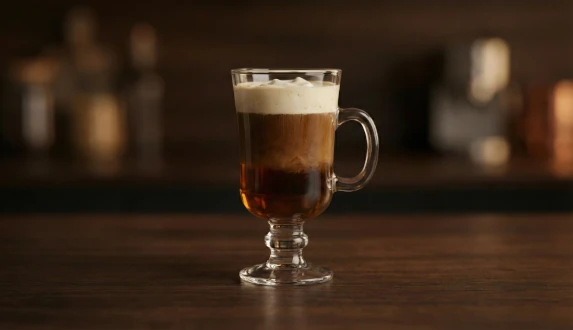
Hot coffee, a splash of whisky and a velvety layer of cream – this combination has long been associated with one of the most recognisable coffee classics in the world. Irish coffee is a recipe that perfectly balances dessert and a more refined drink, offering depth of flavour, a warming character and a distinctly coffee-forward base. It’s no surprise that Irish coffee has remained one of the most popular examples of coffee with alcohol for decades.
What is Irish coffee, exactly? Where does this drink come from, and how can you prepare it at home – without bartender tricks or unnecessary extras? If these questions sound familiar, you’re in the right place. In this article, you’ll find a proven Irish coffee recipe, explained step by step and preceded by a short historical and cultural background. This makes it easier to understand why Irish coffee has retained its timeless appeal to this day.
This article is part of the “Recipes” category on the CoffeeBroastery.com blog – a space where classic recipes meet a modern approach to specialty coffee, bean quality and mindful brewing.
Summary:
- Irish coffee – what is it and where does it come from?
- Irish coffee – ingredients you need
- Irish coffee – step-by-step recipe
- Coffee with alcohol – Irish coffee variations
- When is the best time to serve Irish coffee?
Irish coffee – what is it and where does it come from?
Irish coffee is a classic coffee with whisky, served hot and topped with a distinctive layer of lightly whipped cream floating on the surface of the drink. Contrary to appearances, it’s not a sweet, dessert-style mix, but a well-balanced coffee with alcohol, where each ingredient plays a specific role.
In its classic version, Irish coffee consists of four key elements:
- ☕ freshly brewed coffee – intense and full-bodied, ideally made from medium or darker roasted beans,
- 🥃 Irish whisky – adding depth and a warming character,
- 🍬 brown sugar – preferably cane sugar, highlighting caramel notes,
- 🥛 cream – lightly whipped, creating a contrast with the hot coffee.
It’s precisely this contrast of temperatures and textures that makes Irish coffee so distinctive. The drink is sipped through the layer of cream, without stirring – allowing each sip to combine creaminess, sweetness, bitterness and the subtle whisky note.
The history of Irish coffee
The history of Irish coffee dates back to the 1940s and – like many great recipes – was born out of necessity. According to the most commonly cited version, Irish coffee was first served in a restaurant near one of Ireland’s airports. Cold and tired passengers were offered hot coffee with a splash of whisky to warm them up.
When one of the guests asked whether it was Brazilian coffee, the answer reportedly was: “No, it’s Irish coffee.” This is how the name was born – and it quickly took on a life of its own, with the recipe spreading to bars and cafés around the world.
Irish coffee gained particular popularity in the United States, where it soon became a symbol of an elegant yet simple coffee-based drink. To this day, the Irish coffee recipe is considered one of the most classic ways to combine coffee and alcohol.
💡 Did you know? In the Irish language, Irish coffee is sometimes referred to as caife Gaelach. However, worldwide – including in Ireland itself – the English name Irish coffee has become the standard.
How is Irish coffee different from other coffee with alcohol?
At first glance, Irish coffee may seem similar to other coffee-based drinks such as espresso martini or coffee with liqueur. The differences, however, are significant – both in ingredients and in the way it’s served.
- ✔️ Temperature – Irish coffee is always served hot, not as a chilled cocktail.
- ✔️ Minimalism – just four ingredients, without syrups or flavourings.
- ✔️ Texture – the contrast between hot coffee and cool cream is essential.
- ✔️ The role of coffee – coffee takes centre stage, with whisky acting as a supporting note.
This is exactly why coffee with whisky in the Irish style works so well with specialty coffee. High-quality beans and the right roast profile can bring a completely new dimension to this classic recipe.
Irish coffee – ingredients you need
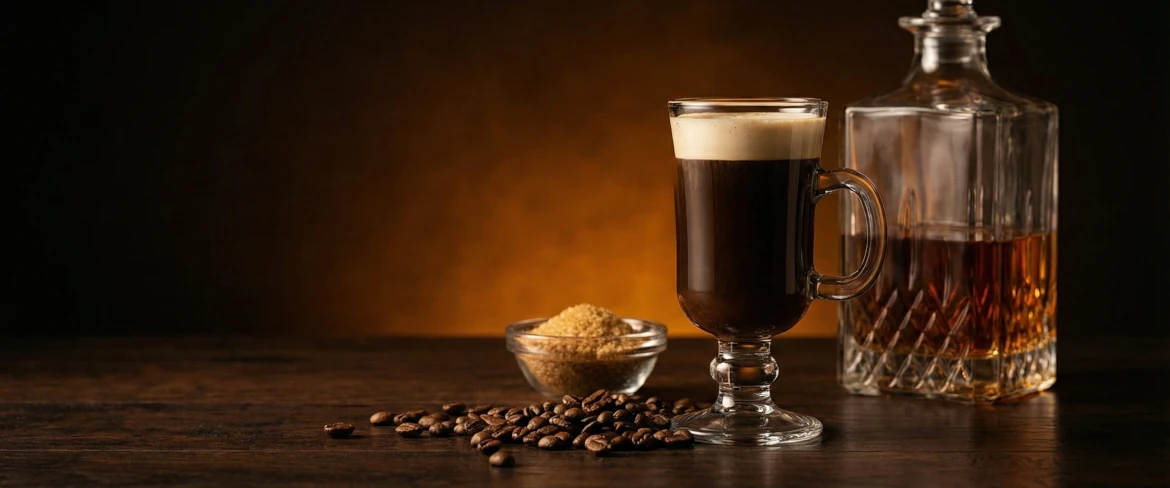
Although Irish coffee is considered a classic, its strength lies in simplicity and ingredient quality. There is no room for random additions in this recipe – each component affects the final flavour, aroma and texture of the drink. That’s why it’s worth taking a moment to consciously choose the coffee, whisky and cream.
Classic Irish coffee ingredients include four basic elements we’ve already mentioned. Now let’s take a closer look at them – from both a flavour perspective and a practical, at-home preparation point of view.
Which coffee should you choose for Irish coffee?
The foundation of a good Irish coffee is a strong, full-flavoured coffee that won’t get lost alongside whisky and cream. A brew that’s too delicate will make the drink feel flat and lacking in character. The best choices are:
- ☕ medium or darker roasted coffees – with notes of chocolate, cocoa, caramel or nuts – for example, our Brazil Mogiana, roasted medium-light,
- ☕ espresso blends or low-acidity single origins,
- ☕ coffee brewed using methods that produce an intense cup (such as an espresso machine, moka pot or French press).
When it comes to specialty coffee, it’s best to choose beans that offer a full body and natural sweetness. This ensures that coffee with whisky remains harmonious, with the alcohol enhancing rather than overpowering the coffee.
If you’re looking for suitable beans, take a look at our “Coffee” category – it’s where you’ll find flavour profiles perfectly suited to Irish coffee.
Which whisky works best in Irish coffee?
Not every whisky is a good match for Irish coffee. The classic Irish coffee recipe calls for Irish whisky, which is generally smoother and creamier than many Scotch whiskies. The best options are whiskies that:
- 🥃 have low smokiness – heavily peated notes can overpower the coffee,
- 🥃 feature hints of vanilla, honey and caramel,
- 🥃 offer a smooth finish that doesn’t clash with coffee bitterness.
In Irish coffee, whisky should never steal the spotlight. Its role is to highlight the coffee’s flavour and add a gentle warming effect. When chosen well, it keeps coffee with alcohol elegant and well balanced.
Cream for Irish coffee
Cream is the element that gives Irish coffee its signature appearance and texture. It should be lightly whipped – firm enough to float on the surface, yet still pourable.
The best choice is:
- 🥛 cream with 30-36% fat content,
- 🥛 gently chilled before whipping,
- 🥛 whipped without any added sugar.
💡 Good to know: Classic Irish coffee never uses aerosol whipped cream. The cream should be lightly aerated and fluid, naturally floating on the coffee’s surface and allowing the drink to be enjoyed in layers.
The role of cream goes far beyond aesthetics. Cool cream softens the intensity of the coffee and whisky, creating a smooth, creamy contrast with the hot drink. This is what allows Irish coffee to be sipped through the cream, without stirring.
Irish coffee – step-by-step recipe
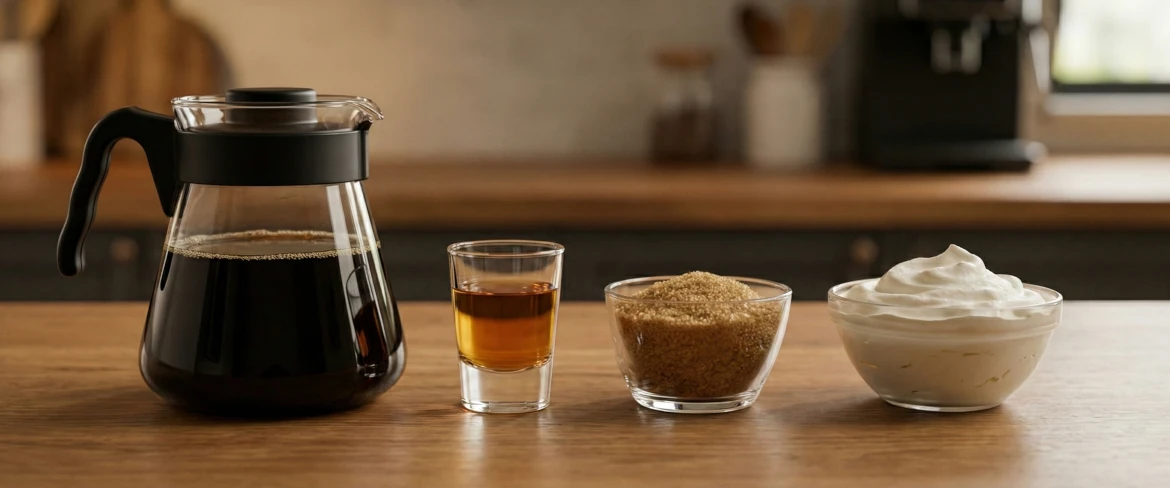
Making classic Irish coffee isn’t complicated, but – as with most coffee classics – the details matter. The right coffee strength, the correct moment to add whisky, and properly prepared cream all ensure that Irish coffee retains its characteristic balance.
Below, we’ll guide you through the entire process step by step – exactly as it’s done in good cafés.
How to brew coffee for Irish coffee?
The base of every good Irish coffee is a strong, aromatic brew. The coffee needs to be intense enough to stand up to the whisky and cream. Brewing methods that work best include:
- ☕ an espresso machine,
- ☕ a moka pot,
- ☕ a French press or classic filter brewing.
If you’re brewing coffee using alternative methods, pay close attention to proportions – the brew should be noticeably stronger than your everyday cup. Helpful tools can be found in our “Coffee brewers” category.
Adding whisky and sugar to Irish coffee
Sugar and whisky should be added to hot coffee – this is crucial for proper integration. Traditionally, brown sugar is used, preferably cane sugar, as it dissolves more easily and subtly enhances caramel notes in the coffee.
The whisky should be poured directly into the coffee after the sugar has been added, then stirred thoroughly. This ensures the alcohol is evenly distributed and the flavour remains smooth and harmonious.
Preparing and layering the cream
The cream should be chilled and whipped only until slightly thickened. It shouldn’t be stiff whipped cream – the goal is a consistency that allows it to gently float on top of the coffee.
The best method is to add it slowly – for example, pouring it over the back of a spoon. This creates the characteristic layer through which Irish coffee is enjoyed, without stirring.
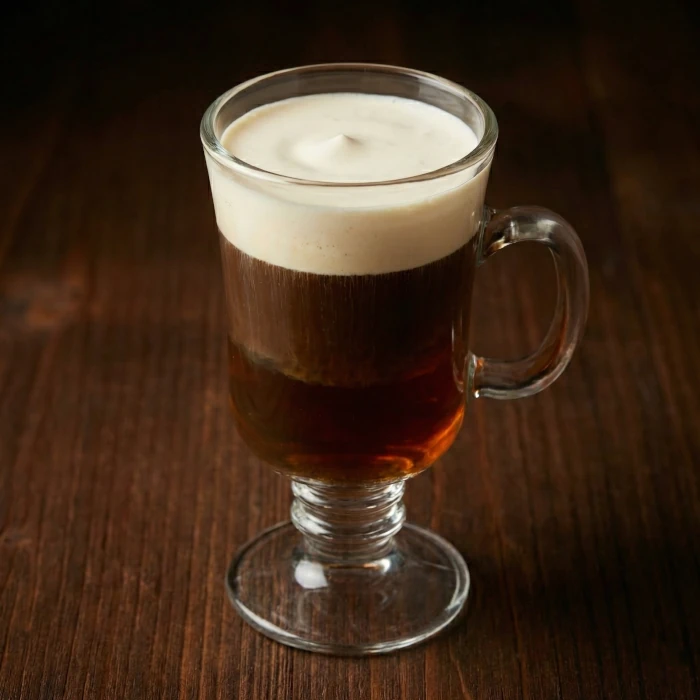
☕ Irish coffee – recipe
Ingredients:
- freshly brewed, strong coffee (approx. 120-150 ml)
- 30-40 ml Irish whisky
- 1-2 teaspoons of brown sugar
- 30-60 ml lightly whipped cream (30-36%)
Method:
Add sugar to the hot coffee and stir until dissolved. Pour in the whisky and stir again, then gently layer the lightly whipped cream on top. Drink through the cream, without stirring.
Coffee with alcohol – different Irish coffee variations
Classic Irish coffee is a starting point for many interesting interpretations. Over the years, it has inspired numerous variations – from dessert-style versions with ice cream to regional classics influenced by coffee cultures from around the world. Changing the alcohol, flavour additions or serving style can completely transform the character of the drink.
Below, you’ll find some of the most interesting ways to add variety to coffee with alcohol – both for those who prefer sweeter, dessert-like options and for those who enjoy flavour experimentation.
Coffee with whisky in a dessert-style version
If you’d like your coffee with whisky to double as a dessert, it’s worth exploring richer, creamier interpretations inspired by Irish coffee. These options are perfect for the evening or as an alternative to a traditional after-dinner dessert.
- Affogato with whisky – a variation on the Italian classic. A scoop of vanilla ice cream is topped with a mixture of hot coffee and around 20 ml of whisky, creating a striking contrast of temperatures and flavours.
- Irish Coffee Milkshake – a blend of strong coffee, whisky, vanilla ice cream and a touch of caramel syrup, combined into a smooth, dessert-style drink.
- “Gaelic” coffee (Gaelic Coffee) – often confused with Irish coffee, but made using Scotch whisky, which introduces smoky, peaty notes that contrast beautifully with sweet cream.
These dessert-style versions highlight just how versatile the Irish coffee recipe can be, and how easily coffee can be transformed into a full-fledged dessert.
Alternatives to classic Irish coffee
Switching the base alcohol opens the door to coffee classics associated with different regions of the world. While they vary in detail, all of these drinks share one thing in common – coffee remains the star of the show.
- Baileys Coffee – a popular sweet alternative where whisky is replaced with creamy Baileys liqueur; additional sugar is often unnecessary.
- Caffè Corretto – an Italian classic: espresso “corrected” with a small amount of grappa, sambuca or brandy.
- Carajillo – a Spanish coffee made with brandy or Licor 43, known for its vanilla-citrus profile and often served over ice.
- French coffee – an elegant version with Grand Marnier, an orange liqueur based on cognac, adding a refined fruity aroma.
- Turkish coffee with raki – a bold option for adventurous palates, featuring intense coffee and an aniseed note from the Turkish spirit.
This group also includes regional counterparts to Irish coffee, such as Scottish coffee (with Scotch whisky), Spanish coffee (with sherry), Russian coffee (with vodka) and Jamaican coffee (with dark rum or Tia Maria liqueur).
🔎 Worth experimenting with: Additions such as warming spices (cinnamon, cardamom), flavoured syrups or even a pinch of sea salt in the cream can completely change how irish cream coffee is perceived, bringing out new flavour dimensions.
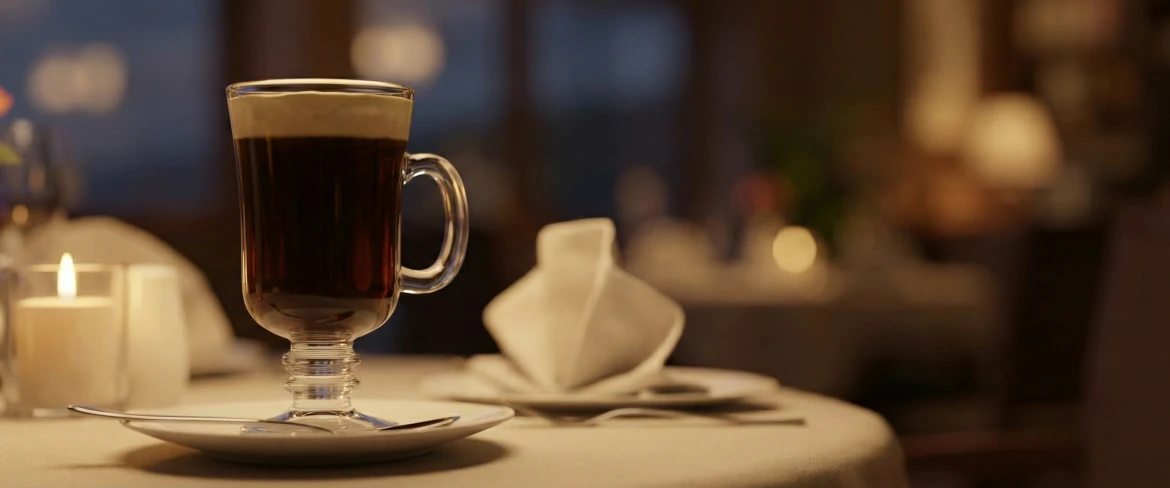
When is the best time to serve Irish coffee?
Irish coffee is a drink that truly shines in specific moments – when a regular cup of coffee feels insufficient and a classic dessert seems too predictable. Thanks to the combination of coffee, whisky and cream, Irish coffee has a celebratory feel and fits perfectly into slower, more social occasions.
Irish coffee is most commonly served:
- ✔️ on cold evenings – warming coffee with alcohol is especially comforting in autumn and winter,
- ✔️ as an after-meal dessert – particularly when you’d like to replace a sweet dessert with something more refined,
- ✔️ at social gatherings – Irish coffee pairs beautifully with conversation and a relaxed, home-like atmosphere,
- ✔️ on special occasions – festive dinners, birthdays or intimate evening celebrations.
Thanks to its form, Irish coffee often plays the role of a “closing drink” – gently rounding off a meal or gathering. And if you enjoy coffee topped with cream, it’s also worth exploring other timeless classics, such as Viennese coffee, which has never gone out of style.
Irish coffee tastes best when there’s no need to rush – when you can focus on the aroma of the coffee, the warmth of the drink and a calm moment with your cup. That’s when it truly shows its full character.
Good coffee is more than a recipe – it’s a moment worth celebrating.
FAQ – frequently asked questions about Irish coffee
1. What is Irish coffee?
Irish coffee is a classic coffee with alcohol, made using hot, strong coffee, Irish whisky, brown sugar and lightly whipped cream. Its defining feature is the layer of cream floating on top – the coffee is sipped through the cream, without stirring.
2. Which whisky is best for Irish coffee?
The best choice is Irish whisky with a smooth, creamy profile and notes of vanilla, honey and caramel. Avoid heavily smoky or peated whiskies, as they can overpower the coffee and disrupt the balance.
3. Can Irish coffee be made without alcohol?
Yes, although it won’t be a classic Irish coffee. An alcohol-free version can be made by replacing whisky with caramel syrup, vanilla syrup or a non-alcoholic whisky flavouring. The result is milder and more dessert-like, but still inspired by the original.
4. Why does the cream in Irish coffee sink or mix with the coffee?
The most common reasons are cream that is either too thin or over-whipped, as well as coffee that isn’t hot enough. The cream should be lightly aerated (semi-liquid) and gently poured – ideally over the back of a spoon – onto very hot coffee.
5. Is Irish coffee suitable to serve as a dessert?
Absolutely. Irish coffee often plays the role of a dessert, especially after dinner. It combines sweetness, creaminess and coffee aroma with a gentle alcoholic note, making it a perfect alternative to traditional desserts.
6. Which coffee works best for Irish coffee?
Coffees with a medium or darker roast work best, particularly those with notes of chocolate, cocoa, caramel or nuts. The brew should be intense and full-bodied – overly delicate coffee will be lost alongside whisky and cream.
Recommended
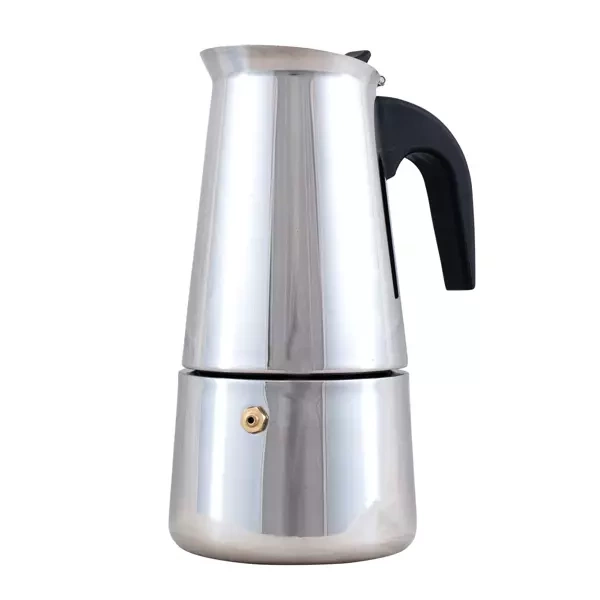
Moka coffee pot 300ml
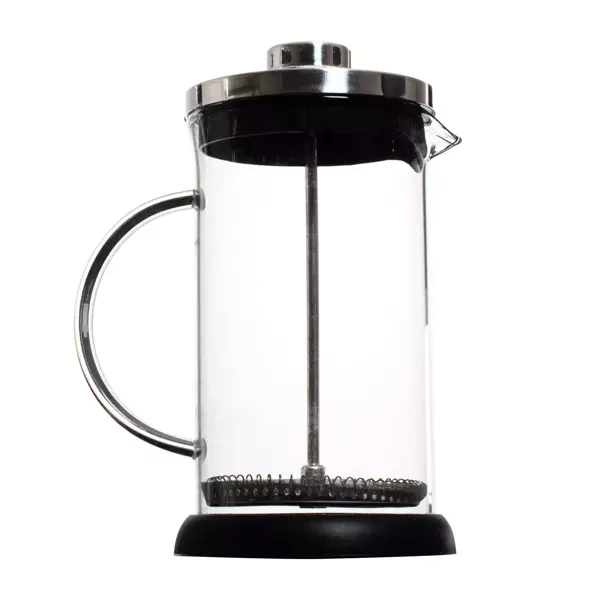
French Press 600ml
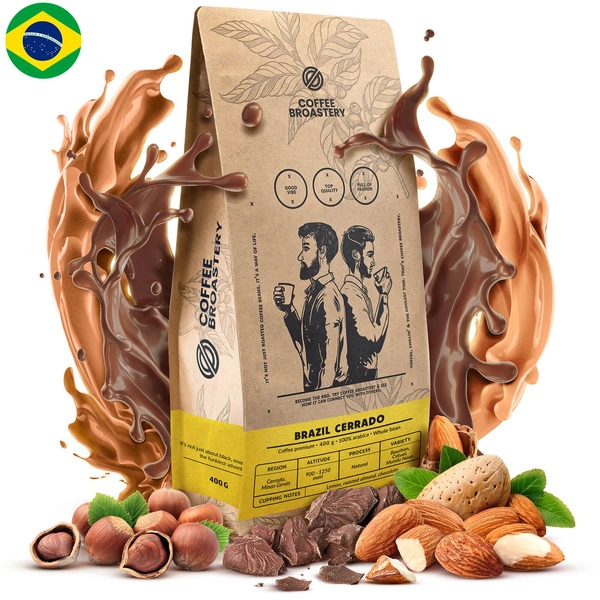
Coffee Broastery - whole bean coffee Brazil Cerrado Premium 400g
