
Cortado coffee – what is it? How to prepare this Spanish classic?
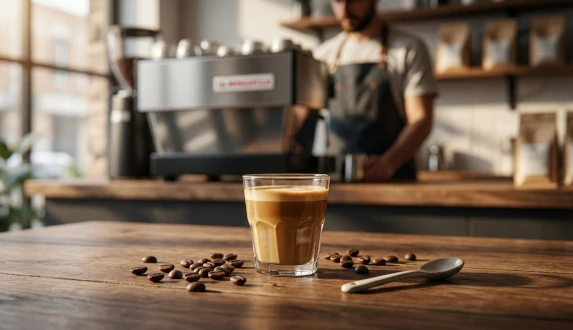
Cortado coffee is one of the most recognisable Spanish classics – simple, balanced and full of aroma. If you’re wondering: what is cortado coffee exactly, why has it become so popular and where its characteristic form comes from, you’re in the right place. This unassuming drink has a surprisingly interesting history and a unique serving culture that has earned it a loyal following among coffee lovers around the world.
In this article, we explain where cortado originates from, what it tastes like, and why people in Spain drink it at completely different times of the day compared to a typical latte or cappuccino. Then we move on to the most important part – a practical, step‑by‑step cortado recipe that will help you prepare exceptional cortado coffee in your own kitchen and discover how simple perfect Spanish style coffee can be.
Summary:
- Cortado coffee – what is it?
- Cortado coffee – how to prepare it?
- Cortado coffee – step-by-step recipe
- Cortado coffee – the most common mistakes
- Spanish style coffee – inspiration
Cortado coffee – what is it?
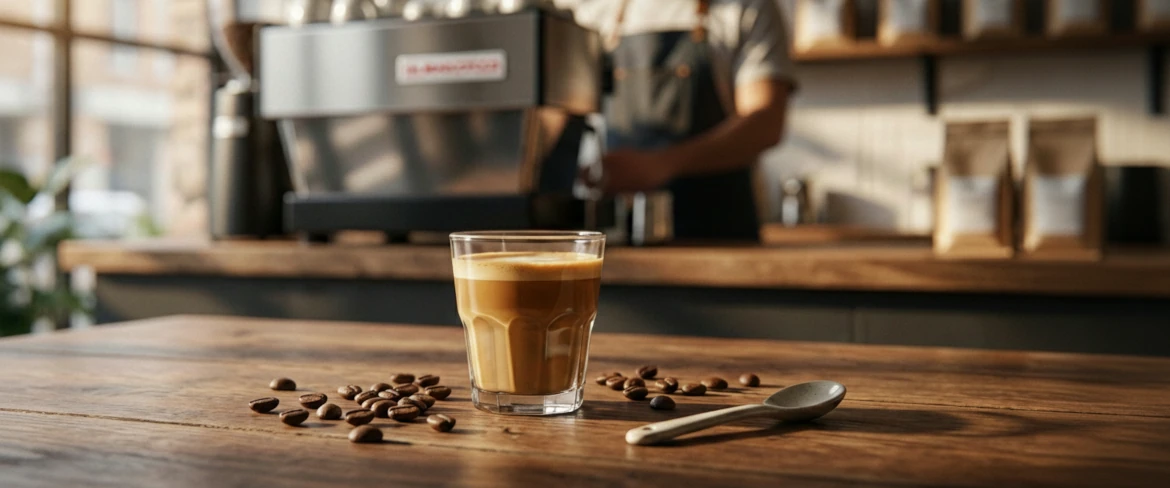
Cortado coffee is a classic form of Spanish coffee in which balance of flavour plays the most important role. The drink is prepared using a single or double espresso and a small amount of warm milk – usually in a 1:1 ratio. Cortado is traditionally served in a small cup of around 120 ml, which emphasises its intense, concentrated character. Thanks to this, it maintains the strength of the espresso while gaining a gentle creaminess. There’s no place here for a thick layer of foam or excessive milk – it’s a minimalist, harmonious composition.
💡 Did you know? In Spain, cortado is usually consumed in the morning or early afternoon – most often in bars and small cafés, as a quick, intense drink. Today, cortado coffee is also popular beyond the Iberian Peninsula. In many countries it is known under different names: in France as noisette, in Catalonia as tallat, and in California as Gibraltar. Thanks to this, Spanish style coffee has gained international recognition and become part of modern speciality coffee culture.
The history of cortado – Spanish roots and tradition
Cortado originated in Spain – most likely in the northern regions of the country – as a simple way to soften the intensity of espresso without losing its distinctive aroma. The name comes from the Spanish verb cortar, meaning “to cut”, because the milk literally “cuts through” the flavour of the coffee, giving it a milder profile.
As espresso culture spread across Europe and the Americas, cortado also began to appear in other countries. The drink gained local variations and names:
- France – café noisette: espresso with a small amount of milk, with a hazelnut-like colour, often served with the milk on the side.
- Catalonia – tallat: a regional version very similar to the classic cortado.
- Australia – piccolo latte: a ristretto‑based variant, more milky and slightly sweeter in flavour.
- Portugal – meia de leite and café pingado: respectively a half‑and‑half drink or an espresso with just a drop of milk.
- Cuba – cortadito: intense espresso “cut” with sweet foam or condensed milk.
- California – Gibraltar: served in the characteristic 130 ml Libbey glass.
Thanks to these local versions, cortado has become a drink with a global character while retaining its simplicity and essence – a balanced combination of espresso and milk, the purest form of Spanish coffee.
How does cortado differ from cappuccino and latte?
Although all three belong to the family of milk‑based coffees, they differ significantly in proportions and texture. Cortado coffee remains the simplest and most intense option – unlike cappuccino or latte, where milk plays a much more dominant role.
- ✔️ Cortado – espresso to milk ratio around 1:1, no thick foam, intense and balanced flavour.
- ✔️ Cappuccino – 1/3 espresso, 1/3 milk, 1/3 foam; creamy and milder.
- ✔️ Latte – mostly milk with a thin layer of foam, very mild in taste.
In practice, cortado is the perfect choice for those who enjoy a distinct espresso flavour but prefer it in a slightly softer, creamier form than typical milk coffees.

Cortado coffee – how to prepare it?
Preparing cortado at home is surprisingly simple – yet it requires a bit of attention, especially if you want to maintain its characteristic Spanish balance between intense espresso and gentle milky sweetness. In this part, we explain what to pay attention to before moving on to the detailed steps. The quality of the beans, the correct milk temperature and the choice of equipment matter greatly. With just a few simple rules, your cortado coffee will taste just as good as the one served in Spanish cafés.
So if you’re wondering what a Spanish style coffee recipe looks like in practice, this section will introduce the basics before we move on to the step-by-step instructions.
Cortado coffee – ingredients
To prepare the perfect cortado, you don’t need a long list of ingredients. It’s precisely this simplicity that makes Spanish coffee so dependent on high‑quality components – every detail influences the final flavour. You will need:
- ✔️ freshly ground coffee for espresso – ideally 100% arabica or a blend with a rich chocolate‑nut profile. This is the foundation of a flavourful cortado;
- ✔️ milk – traditionally full‑fat, warmed but without a thick foam. Plant‑based milk can also be used – ideally barista versions to achieve the right texture;
- ✔️ optional: a little sugar, condensed milk (inspired by Cuban cortadito), cinnamon or vanilla if you want to experiment.
Remember: for cortado coffee to keep its flavour, the espresso must be prepared using high‑quality beans. Too light a roast may result in sour notes, while overly dark roasts can remove the subtle balance that is characteristic of cortado coffee.
What equipment do you need to prepare Spanish coffee?
Although cortado is a minimalist drink, using the right tools will help achieve the ideal temperature, texture and intensity of flavour. These tools ensure that Spanish style coffee prepared at home can match the one served in professional cafés.
- ✔️ Espresso machine – manual or automatic. It ensures stable pressure and temperature, allowing you to achieve a thick, aromatic espresso – the base of classic cortado.
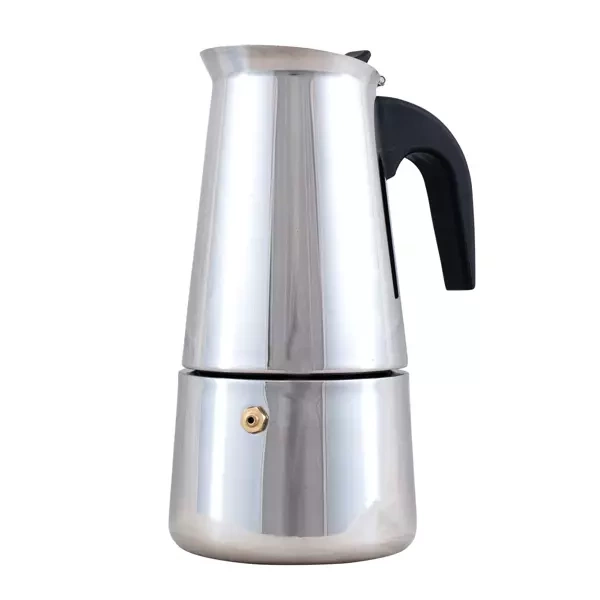
- ✔️ Moka pot – an excellent alternative if you don’t have an espresso machine. It produces a concentrated coffee with a flavour profile similar to espresso, making it a great base for homemade cortado.
- ✔️ Milk frother – ideally the steam wand built into an espresso machine, but electric or manual frothers also work well. The key is warm, lightly aerated milk without the thick foam you get in cappuccino.
- ✔️ Cortado glass or cup – ideally 120–150 ml. The right size helps maintain the proper balance between coffee and milk.
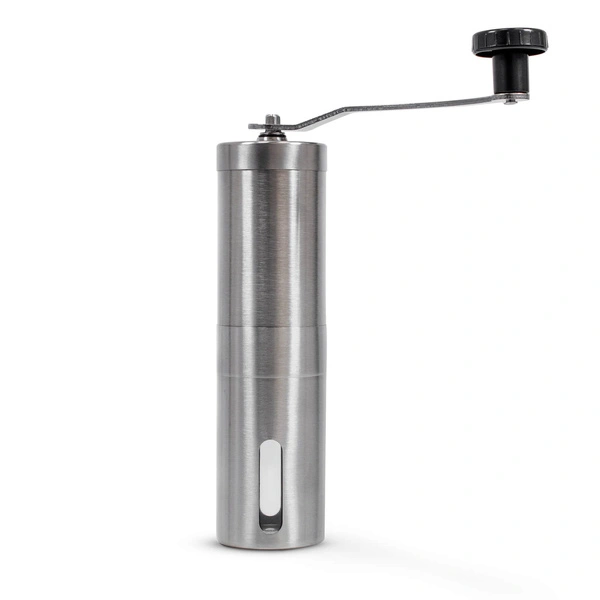
If you want to equip your kitchen with reliable tools or upgrade your home barista setup, visit our shop. In the “Coffee accessories” category, you’ll find moka pots, frothing pitchers, grinders and many other tools that will help you prepare the perfect cortado.

Cortado coffee – step-by-step recipe
Now that you know the history, characteristics and necessary equipment, it's time for the most important part – preparing cortado at home. This guide is divided into three simple steps that will allow you to recreate the taste of Spanish coffee in your kitchen, whether you use a professional espresso machine or a moka pot. Every stage matters – from extracting the espresso correctly, through gently steaming the milk, to achieving harmonious proportions.
1. Preparing your espresso – the base of Spanish coffee
Classic cortado coffee always begins with espresso. This intense, concentrated base gives the drink its distinctive character. To prepare the perfect espresso, pay attention to a few key factors:
- ✔️ coffee dose: typically 16–18 g for a double espresso;
- ✔️ extraction time: 25–30 seconds from the moment water contacts the coffee;
- ✔️ grind size: fine, but not powdery – the goal is a smooth, slightly oily espresso stream;
- ✔️ crema: even, hazelnut‑coloured and stable – a sign of proper extraction.
If you don’t have an espresso machine, don’t worry. You can prepare excellent cortado using strong coffee from a moka pot, which produces a brew with a similar intensity. For detailed guidance, have a look at our tutorial: How to make coffee in a moka pot? A practical guide to help you brew the perfect stovetop coffee!
Regardless of the brewing method, the most important thing is achieving an intense, aromatic base – this is what defines the character of Spanish cortado.
2. Steaming the milk – the key to the perfect cortado
In cortado, the milk should not form a high, airy foam like in cappuccino. It should be only gently steamed – thicker than simply warmed milk, yet much smoother than the microfoam used for latte art. This texture creates the silky, velvety consistency that is characteristic of a well‑made cortado. Key parameters include:
- ✔️ temperature: 55–65°C – the ideal range that brings out the milk’s natural sweetness;
- ✔️ texture: lightly aerated milk, smooth and uniform;
- ✔️ amount of foam: very minimal – cortado should not have a cappuccino‑style foam cap.
The easiest way to achieve this texture is to use a steam wand on an espresso machine, but electric frothers also work well. Be careful not to overheat the milk – too high a temperature destroys its sweetness and makes the drink heavy rather than delicate, which would go against the balance that defines cortado.
3. Combining espresso and milk – how to achieve the ideal proportions?
Finally, the most crucial stage of preparing cortado – combining the intense espresso with gently steamed milk. In cortado, the key proportion is 1:1 – this balance between intensity and creaminess is what makes the drink so distinctive.

☕ Cortado – classic Spanish style coffee recipe
- ✔️ When serving cortado in a 120–150 ml cup, prepare a double espresso (approx. 40–60 ml) and warm, lightly steamed milk (approx. 40–60 ml);
- ✔️ Pour the freshly prepared espresso into the cup;
- ✔️ Slowly add the milk in one smooth motion;
- ✔️ Maintain balance – avoid adding too much milk, as it may overwhelm the espresso;
- ✔️ If you like, you can top it with a small amount of microfoam, but avoid creating a thick layer.
The finished cortado should have a harmonious, uniform appearance, a smooth colour and a pleasant, silky consistency. It is precisely this simplicity and balance that make cortado one of the most popular drinks in Spanish cafés.
Cortado coffee – the most common mistakes
Although cortado may seem like one of the simplest milk‑based coffees, in practice it’s easy to make mistakes that affect the taste and balance of the drink. Most often, they concern coffee quality, milk temperature and proportions. Overheated milk loses its natural sweetness, making cortado taste bitter and flat. Incorrect proportions – for example too much milk – make the drink lose its character and resemble a latte instead of classic Spanish coffee.
It’s also important to pay attention to the base. Coffee that is too lightly roasted or stale will produce a sour, unpleasant espresso that milk cannot save. The same applies to incorrect grind size – too coarse results in weak, watery espresso, while too fine leads to over‑extraction and bitterness.
📌 The most common cortado mistakes – in short:
- ❌ Overheating the milk – its temperature should remain between 55–65°C.
- ❌ Wrong proportions – too much milk weakens the espresso’s intensity.
- ❌ Stale or poorly chosen beans – these affect flavour and acidity.
- ❌ Incorrect grind size – too coarse makes espresso watery, too fine makes it bitter.
- ❌ Too much foam – cortado should not have a thick cappuccino‑style top.
You can avoid most of these issues by using fresh beans, maintaining the correct milk temperature and sticking to the classic 1:1 ratio. A small cup, good espresso and gently steamed milk – that’s truly everything you need to prepare a cortado that tastes just like the one in a Spanish café.
Spanish style coffee – inspiration
Although classic cortado has its own unmistakable character, nothing stops you from experimenting and adjusting the drink to your personal preferences. After all, Spanish coffee comes in many forms, and the recipe – while simple – offers plenty of room for creativity. If the classic 1:1 ratio feels like just the starting point, the ideas below will help you discover new versions of this drink.
- ✔️ Cortado with plant‑based milk – this version pairs wonderfully with oat, almond or soy barista‑style milk. Each brings a different nuance to the drink – from almond sweetness to subtle cereal creaminess.
- Oat Cortado – one of the most popular modern versions. Oat milk adds natural sweetness and a creamy texture similar to full‑fat dairy milk.
- Brown Sugar Oatmilk Cortado – a contemporary variation popularised by Starbucks, combining ristretto, brown sugar syrup, oat milk and a hint of cinnamon.
- ✔️ Iced cortado – a refreshing, summer take on the classic. Simply brew a strong espresso, let it cool, and combine with cold, lightly frothed milk and ice cubes.
- ✔️ Cortado with spices – a pinch of cinnamon, cardamom, vanilla or orange zest gives the drink a seasonal character. Perfect for colder months.
- Cinnamon / Nutmeg Cortado – a version often found in speciality cafés. Lightly dusted with cinnamon or nutmeg.
- ✔️ Sweet cortado – ideal if you prefer gentler flavour profiles. Try vanilla or caramel syrup, or a splash of sweetened condensed milk (inspired by Cuban cortadito).
- Honey Cortado – a slightly sweeter version with a teaspoon of honey dissolved in the hot espresso.
- Pecan Oatmilk Cortado – a modern seasonal option combining oat milk with pecan syrup. Creamy, nutty and perfect for autumn or winter.
If you’d like to try something completely different but still within the world of coffee recipes, visit the latest recipe on our blog: Mocha coffee – what is it and how to make it at home? The perfect homemade coffee with chocolate. It’s a great example of how espresso, milk and flavourings can come together to create exciting and delicious drinks.
Whichever version you choose, cortado remains a drink that stands out for its simplicity, balance and character. It’s one of those coffees worth knowing – and one you can prepare in many ways, creating your own interpretation of this Spanish classic.
Try preparing your first cortado today – it may just become your new favourite ritual!
FAQ – frequently asked questions about cortado coffee
1. Is cortado the same as macchiato?
No – although both drinks combine espresso and milk, they differ in proportions and technique. Cortado uses a 1:1 ratio, giving it a balanced, creamy flavour. In contrast, macchiato is espresso “stained” with just a drop of milk or foam, resulting in a much stronger taste.
2. What milk is best for cortado?
Traditionally, full‑fat milk is used, as its higher fat content gives cortado creaminess and natural sweetness. If you prepare cortado coffee with plant‑based milk, barista‑style oat, almond or soy versions work particularly well due to their stable texture and good frothing properties.
3. How should you drink cortado?
Cortado coffee is served in a small cup or glass (120–150 ml), usually hot. It is sipped slowly, in small mouthfuls – a perfect drink for mornings or a midday break. In Spain, cortado is often enjoyed standing by the bar as a quick, intense ritual.
4. Can you make cortado using a moka pot?
Yes! Although cortado is traditionally made with espresso from a machine, strong moka pot coffee has a very similar intensity and works perfectly as a base. Simply mix it with an equal amount of warm milk. For more detailed instructions, see our guide on how to make coffee in a moka pot.
5. What is the difference between cortado and flat white?
Flat white is a larger drink made with double espresso and a greater amount of milk textured into microfoam. It is creamier, smoother and less intense. Cortado, on the other hand, is smaller, stronger and uses minimal foam with a strict 1:1 ratio.
6. What coffee beans are best for cortado?
The best choice is freshly roasted speciality beans suited for espresso – chocolatey, nutty, caramel or classic low‑acidity profiles all work well. Bean quality significantly influences the final flavour, as milk won’t hide imperfections in the espresso.
Recommended
Moka coffee pot 300ml
Hand coffee grinder
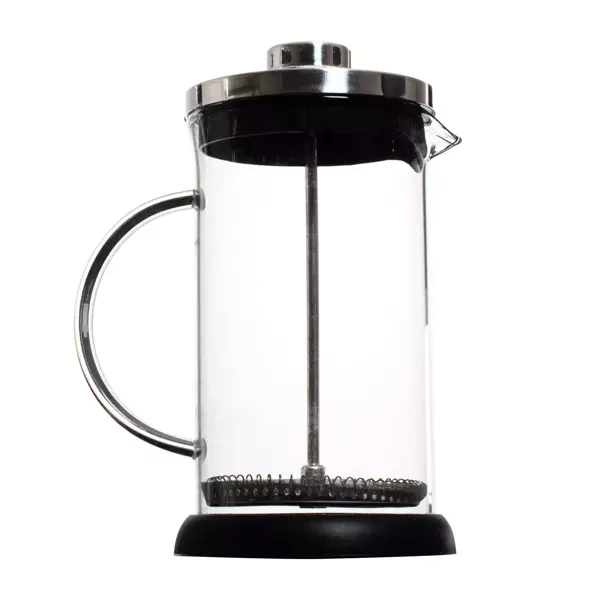
French Press 600ml
