
Coffee brewing methods – which one to choose and how do they differ?
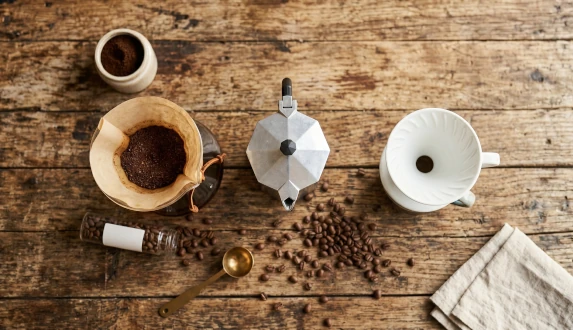
One bag of beans, and in the cup… something completely different every time? That is exactly how the world of speciality coffee works! The equipment you reach for in the morning completely changes the character of the brew – from thick and chocolatey, to light, tea-like and full of fruit. Coffee brewing at home does not have to be black magic. It is great fun, thanks to which you will rediscover your favourite flavours.
Choosing the right brewing equipment can completely change the character of your morning brew. If you are wondering how to brew coffee to extract maximum flavour, hidden aromas and perfect balance, you are in the right place. In this article, we will analyse the most popular coffee brewing methods to help you choose a technique perfectly tailored to your taste preferences and lifestyle.
Before we move on to the technicalities, it is worth remembering one golden rule of baristas: even the best method will not save poor-quality beans. Freshly roasted, full of natural aromas speciality coffee is the absolute foundation of successful extraction and a guarantee of a delicious result in the cup.
Summary:
- The most popular coffee brewing methods
- Pour over coffee brewing methods
- Pressure coffee brewing methods
- Which coffee brewing method to choose?
- Which coffee brewing method is for you?
The most popular coffee brewing methods
The world of traditional and alternative coffee techniques is incredibly rich and constantly evolving. Different ways to brew coffee allow for daily experiments, yielding results at home that rival brews served in the best speciality coffee shops. Why is it worth knowing them in the first place?
Because understanding how individual devices work opens the door to conscious tasting. Depending on the chosen vessel and technique, the very same bag of beans can offer you radically different experiences – from a thick, syrup-like shot with notes of dark chocolate, to a light, tea-like brew with the aroma of citrus and jasmine. Among the most frequently chosen methods, which we will discuss in this guide, we distinguish, among others, brewing coffee in a moka pot or a French Press, as well as a wide range of alternative methods: brewing in a V60 Dripper, a Chemex, and the iconic AeroPress.
Pour over vs pressure methods
Before we delve into the details regarding specific devices, we must understand the fundamental division on which the entire coffee world is based. From a technical point of view, coffee brewing methods are usually divided into two main categories: pour over (also called gravitational) and pressure methods. How do they differ from each other?
- ☕ Pressure methods (e.g. espresso machine, moka pot) – in this case, high pressure is used to extract flavour, forcefully and quickly pushing hot water through very finely ground beans. The contact time between water and coffee is exceptionally short here (in the case of espresso, it is merely 20-30 seconds). As a result, we get a very essential, strong brew with a thick texture, often with a characteristic foam called crema on the surface.
- ☕ Pour over methods (so-called alternatives, e.g. dripper, chemex) – rely on the natural force of gravity. Hot water is slowly poured over more coarsely ground beans, usually placed in a paper filter. Traditional pour over coffee requires a bit more patience – the process itself usually takes from 2 to 4 minutes. The paper filter plays a crucial role here, as it effectively retains coffee dust and most oils. This results in an incredibly clean, clear brew that resembles tea in its lightness.
💡 Fun fact: There are also devices that cleverly combine both these techniques or rely on yet another principle – immersion (i.e. freely soaking the beans in water for a specific time). An excellent example of the immersion method is the classic French Press, while the AeroPress is a fascinating hybrid that combines soaking with gentle pressure created by human muscle power.
How does the brewing method affect the taste of coffee?
Choosing a specific accessory is not just a matter of morning convenience or kitchen aesthetics. First and foremost, it is about consciously building the flavour profile in our cup. To understand how different vessels alter our coffee, we must learn two concepts that professional baristas work with on a daily basis: extraction and filtration.
Extraction is, simply put, the process of "pulling" the best out of the beans. It is the moment when water washes out and dissolves the substances contained in the ground coffee – sugars, fruit acids, and compounds responsible for bitterness. Filtration, on the other hand, determines the physical form of our beverage. The filter decides whether coffee particles and natural oils will end up in the brew, or whether we will get a clear liquid.
This is exactly why the same bag of beans will behave completely differently under the influence of different devices:
- ✔️ bringing out acidity and fruity notes – pour over methods, utilising paper filters (like the V60 Drip), perfectly "cleanse" the brew of heavy oils. Thanks to this, natural acidity, fruity crispness, and floral aromas come to the forefront. Bitterness is almost imperceptible in them.
- ✔️ boosting sweetness and body – methods devoid of paper filters (like the French Press) or those operating under pressure ensure that essential oils make their way into the brew. This results in a full, heavier body, meaning a thick, almost syrupy sensation on the tongue, and the enhancement of chocolate, nutty, and caramel notes.
📌 In short: If you are looking for refreshment, crispness and complex aromas – choose paper filters and pour over methods. If you prefer classic "strength", intensity, and a thick consistency – opt for pressure or immersion methods with a metal mesh filter.
Pour over coffee brewing methods
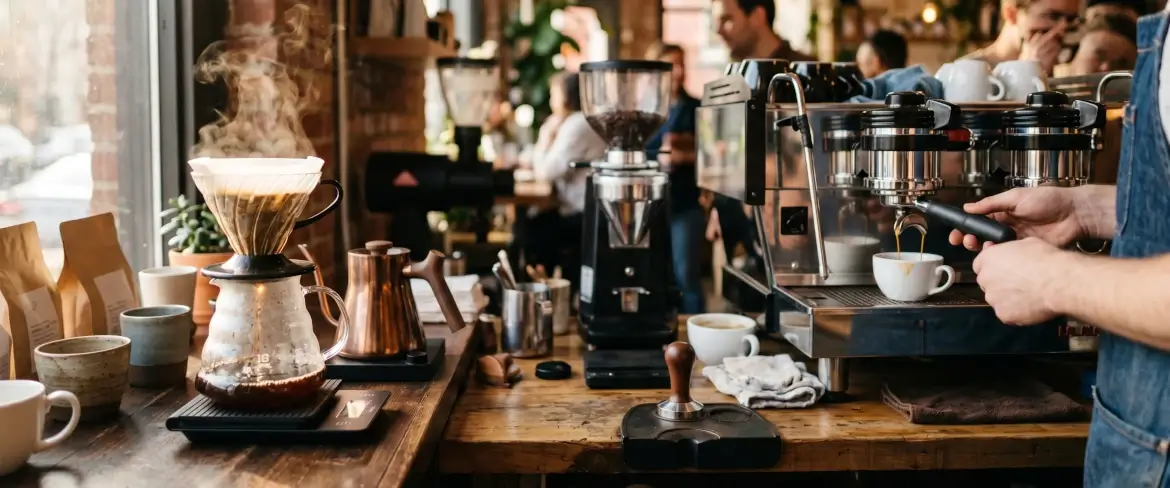
For many lovers of speciality beans, alternative, pour over methods are the absolute foundation and quintessence of the coffee world. Why are they so incredibly popular? Primarily because they offer an unbelievable amount of control over the entire extraction process. By choosing a manual pour over, you have an impact on the grind size, water temperature, as well as the time and pace of pouring over the beans.
The result? A brew with extraordinary clarity, lightness, and a clean profile, in which you can easily detect subtle notes of fruit, flowers, or tea. These are techniques that will be most appreciated by owners of lightly roasted beans – especially single origin coffees, which hide the greatest wealth of natural aromas.
Dripper (V60) – control and clean flavour
A Dripper (often simply called a drip) is nothing more than a cone-shaped brewer. This device is placed directly on a mug or a special jug (server). Although the most popular model in the world is undoubtedly the V60 from the Japanese brand Hario, you will find plenty of brewers on the market working on exactly the same principle, made of glass, ceramic, and even metal or plastic.
If a classic drip makes its way into your kitchen, drip coffee brewing will require one key element – paper filters. They are the ones that retain coffee dust and oils, giving the brew a tea-like, very refreshing character. Manually pouring water over the beans allows you to extract maximum sweetness and acidity from them.
What makes coffee from a dripper so special?
- ✔️ Clean, distinct flavour – the paper filter guarantees a brew of extraordinary lightness, free from coffee dust.
- ✔️ Wealth of aromas – it is the perfect method to highlight the subtle, fruity and floral notes of lightly roasted beans.
- ✔️ Full control over extraction – manual pouring allows you to precisely control the temperature, time, and proportions.
🔍 Check out our blog: Do you want to know the exact proportions, water temperature, and pouring technique? We have prepared a separate, detailed guide for you! Be sure to check out our post: Coffee dripper – how to brew coffee using a dripper to get maximum flavour?
To start your adventure with this method, you don't need a huge budget, and the satisfaction from a hand-brewed cup is immense!
Chemex – delicate and clear coffee
Designed in 1941 by an eccentric chemist (hence the shape resembling a laboratory flask!), the Chemex is a true design icon today. Its principle of operation is very similar to a dripper, but there is one key difference between them – the filters. Those dedicated to the Chemex are up to 20-30% thicker than standard paper filters.
What does this mean in practice? If you already have a Chemex and are planning how to brew coffee in a chemex to extract its full potential, you must know one thing. Thanks to the thicker layer of paper, water flows through the ground beans slightly slower, and the filter more effectively retains the finest particles and bitter compounds. You get a brew that is absolutely devoid of dust, with incredible sweetness and clarity that will delight even those who normally do not like black coffee.
The advantages of brewing coffee in a Chemex are primarily:
- ✔️ extraordinary clarity and sweetness – thanks to thicker filters, the brew is even more delicate and completely devoid of bitterness,
- ✔️ large capacity – allows you to prepare coffee for several people at once, which is great for gatherings,
- ✔️ phenomenal design – the elegant, glass carafe makes a huge impression and is perfect for serving the brew straight to the table.
🔍 Check out our blog: If you are interested in the history of this remarkable glass vessel and want to learn more about it, we invite you to read the article: Chemex coffee maker – what is a chemex and how chemex works?
A huge advantage of this brewer is also its capacity. Thanks to the large carafe, you can prepare a brew for up to several people in one go, making it the perfect choice for lazy, weekend breakfasts with family or friends.
Drip coffee maker
Manual coffee brewing sounds wonderful for the weekend, but what to do when every minute is precious on a Monday morning? A classic filter coffee maker comes to the rescue. For years, this method was somewhat underappreciated, being associated with burnt coffee in offices from American movies. Today, however, so-called batch brew (a larger portion of filter coffee from a machine) is triumphing in the best cafes in the world!
A good filter coffee maker heats the water to the optimal temperature and evenly sprinkles the beans, simulating the work of a barista's hands with a pouring kettle. It is the most convenient and highly repeatable method. It is also a perfect answer to the question of how to brew ground coffee and how to brew coffee in a coffee maker hands-free – simply place a paper filter in the basket, pour in freshly ground beans of good quality, add water, press a single button and... go about preparing breakfast while the machine does all the work for you.
Why is it worth opting for a drip coffee maker?
- ✔️ Maximum convenience and time-saving – the process is automated, making it the perfect choice for busy mornings.
- ✔️ High repeatability of taste – the device ensures a constant water temperature and precise soaking of the beans without your involvement.
- ✔️ Possibility to prepare a large portion – you can brew a whole jug of delicious coffee for the whole family or for the office in one go.
Pressure coffee brewing methods
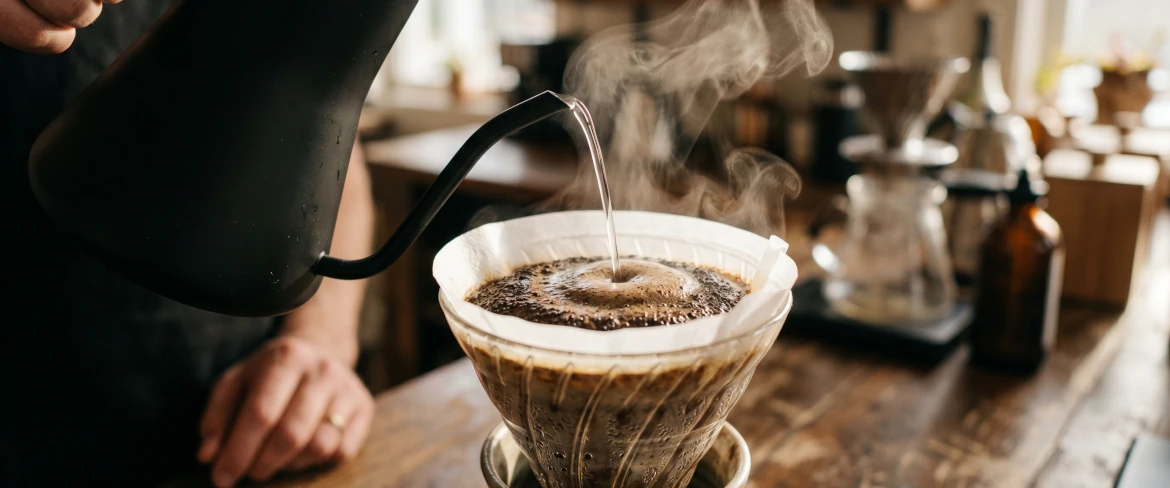
A completely different pole of the coffee world are methods utilising pressure. If pour overs are associated with lightness and a tea-like character, here we enter the zone of density, strength and a hit of intense flavour experiences. As the name suggests, extraction in this case uses force that instantly pushes water through the ground beans. The contact time between water and coffee is much shorter here, and the resulting brew is highly concentrated. This is the perfect direction for lovers of milk coffees and fans of a classic, bold body.
Espresso from an espresso machine
Espresso is the absolute essence of coffee in its purest form and the foundation on which most beverages served in cafes are based (from classic cappuccino, through latte, to flat white). It is created when hot water under high pressure – usually 9 bars – penetrates through very finely ground, evenly tamped coffee in a portafilter in just 20-30 seconds.
The hallmark of a properly brewed espresso is the so-called crema – a thick, hazelnut-brown foam on the surface that hides an incredibly condensed flavour underneath. This method, however, is the most technologically demanding. You need for it not only a professional espresso machine, but above all an excellent grinder that will grind the beans almost to dust, as well as great barista precision.
What makes espresso stand out?
- ✔️ Extreme flavour concentration – just a few dozen millilitres of brew deliver a powerful hit of aromas and a thick, syrupy texture.
- ✔️ Ideal base for milk coffees – thanks to its intensity, espresso perfectly cuts through the sweetness and volume of milk.
- ✔️ Characteristic crema – the thick foam not only looks beautiful but also traps the volatile aromas in the cup.
Moka pot (kawiarka)
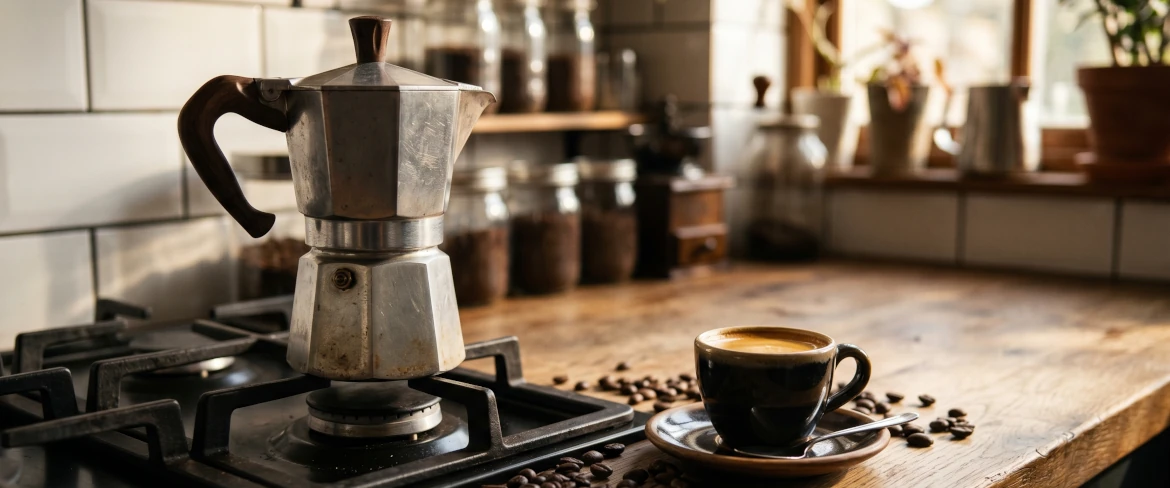
Not everyone has the space and budget at home for a massive espresso machine, but fortunately, the Italians found a brilliant solution! A moka pot is a small, incredibly clever little jug that is placed directly on the stove burner. When the water in the lower chamber begins to boil, the rising pressure pushes it upwards, passing it through a basket with ground beans straight into the upper chamber.
Brewing coffee in a moka pot is the simplest way to achieve a brew at home that is similar in character to an espresso. The coffee is very thick, strong and bold, although it is worth remembering that the pressure generated in a moka pot is much lower (about 1.5 to 2 bars), which is why you will rarely experience an abundant crema here. To start this Italian adventure, a classic pressure moka pot will be perfect, allowing you to prepare a solid portion of stimulating brew for your morning start.
What makes us love moka pots so much?
- ✔️ Budget-friendly alternative to an espresso machine – allows you to enjoy strong, thick coffee without having to invest in expensive equipment.
- ✔️ Simplicity and reliability – the device consists of only three main elements, is incredibly durable and exceptionally simple to use.
- ✔️ Thick, chocolatey-nutty body – perfectly extracts sweetness and intensity from darker roasted beans, making it a great base for homemade milk coffees.
🔍 Check out our blog: Do you want to learn the secrets of the Italians and avoid an unpleasant, burnt taste from your moka? Check out our post: How to make coffee in a moka pot? A practical guide to help you brew the perfect stovetop coffee!
AeroPress – a universal coffee brewing method
Invented relatively recently – in 2005 by an American toy maker – the AeroPress took the hearts of coffee lovers around the world by storm. This device revolutionised home brewing. In appearance, it slightly resembles a large plastic syringe, and its phenomenon lies in the clever combination of two techniques: immersion (soaking the beans, as in a French Press) and pressing water through a paper filter using pressure generated by human muscle power.
Are you wondering, holding your new device in your hand, how to use an aeropress to brew your dream coffee? The answer is: exactly the way you feel like it! It is undoubtedly the most flexible method in the world. By changing the grind size, brewing time and proportions, you can create in it both a strong, short shot resembling espresso, as well as a large mug of a light, fruity drip-style brew.
The advantages of using an AeroPress include:
- ✔️ Unlimited room for experiments – this single vessel allows you to prepare coffee in dozens of different styles and variations.
- ✔️ Perfect travel companion – made of safe, lightweight and indestructible polycarbonate, it is perfect for a mountain trail, the office or a camping trip.
- ✔️ Lightning-fast process and easy cleaning – brewing takes only 1-2 minutes, and after it is finished, simply "shoot" the compacted puck of grounds straight into the bin and rinse the plunger.
Which coffee brewing method to choose?
Choosing the ideal accessory can seem overwhelming when there are so many interesting options available on the market. However, the key to success is answering three simple questions: what kind of coffee are you looking for, how much time can you dedicate to it in the morning, and how much experience do you have with home brewing? Below we have prepared a short cheat sheet that will make it easier for you to make the final decision and match the method to your lifestyle.
The best coffee brewing method for beginners
Are you just starting your adventure with speciality coffee and afraid of complicated proportions or the need to buy expensive brewers, scales and grinders? The best choice will be simple, intuitive and "forgiving" methods. In this category, the French Press, a very popular plunge brewer, definitely reigns supreme.
If you are wondering how to use a french press, rest assured – it is trivially simple! Just pour in coarsely ground beans, cover them with hot water, wait and slowly press the plunger down. The question also often arises: how long should the coffee be brewed? Usually, the optimal extraction time is about 4 minutes. And if you already have one at home and are wondering how to brew the perfect infusion so that it permanently settles into your morning routine, simply ensure a coarse grind of the beans so that the particles do not pass through the metal mesh.
For lovers of home classics, we recommend the elegant French Press available in our store, which will be perfect for everyday use. In turn, for people constantly on the run, an innovative 2-in-1 gadget will be the Cup Press Thermal Mug with French Press. You pour in the coffee, add water, press the plunger and... leave the house, enjoying a hot brew on your way to work!
What other methods do we recommend for a start?
- ✔️ AeroPress – plastic, indestructible and very flexible; it is really hard to make bad coffee with it, even if you are just learning.
- ✔️ Drip coffee maker – a device that does all the work for you, requiring only the push of a button.
- ✔️ Moka pot – requires a bit of practice with monitoring the heat, but it is relatively cheap, robust and very intuitive.
The best method for brewing strong coffee
Do you like it when coffee gets you firmly on your feet, has a thick consistency and leaves a long, chocolatey-nutty aftertaste on the tongue? You should definitely aim for methods that yield a very intense, flavour-concentrated brew. The leader in this category is, of course, espresso from an espresso machine, which is a true essence. It is closely followed by the moka pot, which thanks to the action of pressure also provides a powerful, bold body.
If you prefer a larger volume, but still expect a "kick" and a heavier texture, the aforementioned plunge brewer will be an excellent choice. Its secret lies in the lack of a paper filter – valuable essential oils and the finest bean particles make their way into the brew, which enhances the impression of strength and flavour intensity.
Where does the intensity in the cup come from?
- ✔️ The use of high pressure – quickly and aggressively "washes out" the heaviest, most pronounced aroma and flavour compounds from the coffee (in a portafilter machine and moka pot).
- ✔️ Lack of paper filtration – in methods with a metal mesh, natural oils and fine dust are not retained, which thickens the brew.
- ✔️ Condensed proportions – in the case of espresso or a moka pot, we use significantly less water in relation to the amount of ground beans than in the case of a delicate drip.
💡 Good to know: Very often we confuse the bold, tarry taste of the brew with its actual stimulating strength! Just because coffee from a moka pot has a thick profile does not mean it will guarantee you the greatest energy boost. Do you want to know more? We dispel the myths in our article: How much caffeine is in coffee? Find out how much caffeine is in espresso, latte and other types of coffee.

Which coffee brewing method is for you?
We have reached the end of our coffee guide! As you can see, the world of alternative and more classic brewing techniques is full of incredible possibilities. There is no single "best" way here – it all depends on your personal preferences, morning routine and the flavour profile you are currently looking for. So let's summarise the gathered knowledge in a nutshell.
📌 Which coffee brewing method to choose?
- ✔️ If you are looking for refreshment, clarity and fruity notes... ➡️ choose pour over methods, such as the V60 Dripper or Chemex. They will provide you with a light, tea-like and incredibly clear brew, perfect for slow tasting.
- ✔️ If you love thick, strong coffee in a truly Italian style... ➡️ opt for a classic espresso from an espresso machine or a moka pot. It is the best base for milk classics and a solid hit of intense, strong flavour.
- ✔️ If you value simplicity and a rich, chocolatey body... ➡️ the ideal choice for a start will be a French Press. The lack of paper filters means that valuable essential oils enhancing the sweetness will end up in your cup.
- ✔️ If you love experimenting and travel often... ➡️ the AeroPress is an absolute must-have in your backpack and home kitchen. It is the king of versatility, with which you will never experience boredom.
- ✔️ If you count every second in the morning, but value good taste... ➡️ trust automation and invest in a reliable drip coffee maker. Delicious coffee will make itself in it!
Regardless of which method you ultimately choose, remember our golden rule – the heart of every perfect cup is fresh, properly roasted beans. In our store, you will find not only professional equipment for your home cafe, but above all, the highest quality speciality coffee, which is just waiting to unleash its potential in your new brewer.
It's time to take matters into your own hands – choose your favourite method and start your delicious coffee adventure with us today!
FAQ – frequently asked questions about coffee brewing
1. Which coffee brewing method to choose for a start?
For beginners, a classic French Press, a durable AeroPress or an automatic drip coffee maker will work best. These are very intuitive methods that do not require buying expensive barista scales or special pouring kettles. They allow you to easily achieve a delicious and repeatable taste, forgiving minor mistakes in proportions.
2. Which coffee brewing method yields the strongest brew?
You will get the most condensed and flavour-intense brew thanks to an espresso machine and a moka pot. These methods use pressure, which in a short time "washes out" a powerful dose of flavour and aromas from the beans. If you care about a heavy body without pressure, a French Press will also be great. Remember, however, that strength and bitterness in taste do not always mean the highest caffeine content!
3. How does coffee from a dripper differ from espresso?
These are two completely different poles of the coffee world! Coffee from a dripper (a pour over method using a paper filter) is light, completely free of dust and oils, and its crisp, fruity profile almost resembles a tea infusion. Espresso (a pressure method) is a small, thick, sticky and extremely intense shot, always topped with a characteristic hazelnut foam – crema.
4. What grind size for different coffee brewing methods?
We adjust the grind size to the contact time of the coffee with water. The general rule is as follows:
- very fine grind (resembling fine salt): espresso machine,
- medium-fine: moka pot, AeroPress,
- medium (like sand on the beach): pour over methods (Dripper, Chemex, drip coffee maker),
- coarse (like coarse sugar crystals): French Press, Cold Brew.
5. Do the same beans suit every method?
Although we encourage experiments in speciality coffee, there is one proven division. For pressure methods (espresso machine, moka pot), choose medium or dark roasted coffees, which will build a beautiful, chocolatey-nutty body. In turn, for pour over methods (Drip, Chemex), light roasted beans (e.g. from Africa) will be ideal, as they will fully present their refreshing, fruity and floral aromas.
Recommended

Chemex‑style coffee maker 800 ml + reusable filter
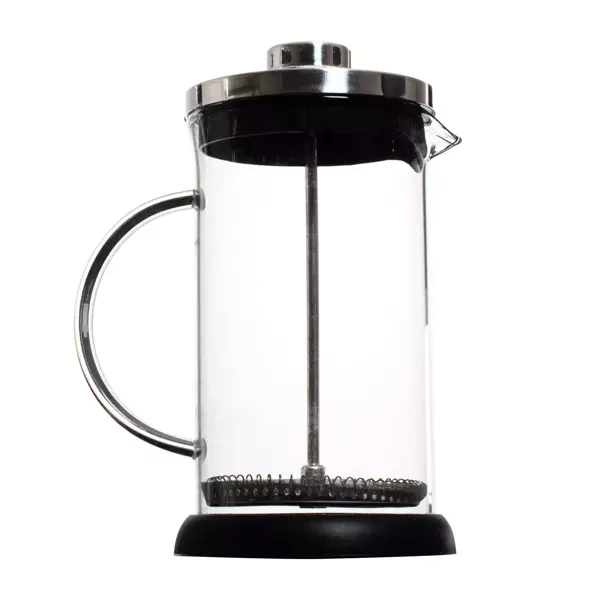
French Press 600ml

Moka Coffee Pot – Bialetti New Brikka 4tz
