How to choose coffee beans? A guide to coffee types and flavours
The perfect brew does not happen by chance. It is the result of a considered choice, the dedication of coffee farmers and respect for a carefully cultivated raw ingredient. Before an exceptional drink reaches your cup, the beans travel a long way from distant plantations to the roastery. Freshly roasted coffee beans contain hundreds of aromatic compounds, which are released in all their richness only when the beans are ground, bringing exceptional quality and depth of flavour to your cup. That magical moment when an intense aroma fills the kitchen is a true promise of a perfect morning.
If you are wondering which coffee beans will be the best coffee beans for your palate and equipment, this guide is for you. When you browse the Coffee category in our shop, the sheer range of options, sensory notes and processing methods can feel overwhelming. Choosing the right product does not have to be a guessing game, however. Whether you are the proud owner of an espresso machine or prefer the unhurried ritual of pouring water through a paper filter, the right knowledge will make the decision much easier. Step by step, we will guide you through this fascinating world and help you choose beans that suit your preferences and daily rituals.
Summary:
- Types of coffee beans – what should you know to begin with?
- Types of coffee by origin – how do they affect flavour?
- Coffee roast levels – light, medium or dark?
- How to choose coffee beans for your brewing method?
- How to recognise good coffee beans?
- The best coffee beans – recommendations from Coffee Broastery
Types of coffee beans – what should you know to begin with?
As you enter the world of specialty coffee, you will quickly notice that types of coffee beans form a fascinating, multi-layered puzzle. What ultimately reaches your cup is shaped by a combination of three key elements:
- ✔️ the botanical species of the coffee plant,
- ✔️ the growing location (the so-called terroir),
- ✔️ the processing method used on the coffee cherries at the farm.
Understanding these fundamental concepts turns coffee beans from a mysterious subject into a conscious and enjoyable choice.
Arabica and Robusta – The Most Important Coffee Species
When we look at the main varieties of coffee, two species dominate the global market: Arabica and Robusta. Arabica (Coffea arabica) often offers a broad and complex flavour profile, ranging from chocolate and nutty notes to fruity and floral ones. Robusta (Coffea canephora) is more resilient to growing conditions and typically produces a brew with heavier body, lower acidity and more pronounced bitterness. Although Arabica takes centre stage in the traditional specialty coffee segment, and many of the best coffees with lighter roast profiles are based on it, high-quality Robusta also has many devoted admirers, particularly among fans of rich, classic espresso and powerful stimulation. Ultimately, quality depends not only on the species, but also on the variety, origin, processing, selection and roasting method.
| Feature | Arabica | Robusta |
|---|---|---|
| Flavour profile | Complex, sweet, fruity, floral or chocolatey. Subtle acidity. | Intense and full-bodied, with notes of dark chocolate, nuts and cocoa. More bitterness and lower acidity. |
| Caffeine content | Lower (approximately 1.2%–1.5%) | Higher (approximately 2.2%–2.7%) |
| Quality and use | Often chosen for premium and specialty coffees, particularly for filter brewing and modern espresso. | Valued in espresso for its heavier body, higher caffeine content and contribution to a lasting crema; also used in selected blends. |
How Do Single-Origin Coffee Beans Differ from Blends?
When dividing varieties of coffee beans according to their composition, we can identify two main categories. Single-origin coffees come from one specific region and often from one particular farm. They are a good choice when you want to discover the distinct character of a place and appreciate the influence of its growing conditions on flavour. Single-origin coffees are often chosen for filter brewing. Blends, on the other hand, are carefully designed mixtures of different beans, created by a roaster to achieve a consistent, perfectly balanced profile. A blend made from good coffee beans is often a reliable and enjoyable choice for an espresso machine or moka pot, where a rich, stable body and classic flavours are desirable.
🔍 Worth knowing: In the specialty coffee world, the term single origin is treated with considerable precision. The narrower the beans’ geographical origin – for example, a specific plot on a farm identified by the farmer’s name – the more distinctive and individual the sensory experience can be.
How Do Coffee Species Affect Flavour and Caffeine Content?
Theory is one thing, but how do particular varieties of coffee beans translate into your daily cup? Your choice can determine whether your drink wakes you with an immediate jolt or gently eases you into the day. Different types of coffee offer markedly different experiences. If you are looking for a strong, immediate energy boost, a rich crema and a coffee that stands up well to plenty of milk, beans containing high-quality Robusta may be a good option. Arabica, meanwhile, is known for its refined stimulation, aromatic complexity, natural sweetness and gentler character.
Even within a single species, different types of coffee beans can surprise you with very different flavour notes. Arabica from Brazil may taste like chocolate and nuts, while coffee from Kenya can bring to mind a refreshing tea with citrus notes. To explore this subject in greater detail, we recommend reading our article: Coffee Flavours – A Guide to Tasting Notes and Sensory Profiles. Understanding these differences is the key to finding your favourite profiles.
📌 In brief:
When choosing your beans, keep these three principles in mind:
- ✔️ if you are looking for a broad range of flavours, subtlety and a clean cup, choose 100% Arabica coffees,
- ✔️ if you brew espresso, want a generous crema and a stronger caffeine boost, consider high-quality Robusta or blends containing it,
- ✔️ for alternative brewing methods such as a dripper, Chemex or AeroPress, consider single-origin coffees with a light or medium-light roast profile.
Types of coffee by origin – how do they affect flavour?
When choosing the best coffees, geography is a key factor that should not be overlooked. The place where coffee plants are grown has a fundamental influence on what ultimately reaches your cup. Altitude, sunlight, soil type and local microclimate create a unique environment (terroir) that shapes the final sensory profile of the beans. To help you navigate this rich and varied world, let us take a short journey across the flavour map of coffee-producing regions.
💡 Worth knowing: Almost all commercial Arabica and Robusta farms around the world are located within the so-called Coffee Belt – the area around the equator stretching between the Tropic of Cancer and the Tropic of Capricorn. It is the only region on Earth that offers the climate, temperatures and rainfall these demanding plants require.
Coffees from Brazil – A Classic Flavour
If you are looking for a reliable and approachable choice, coffee from Brazil is an excellent place to start. This South American giant is known for producing coffees with an exceptionally versatile and mellow profile. Brazilian coffee beans typically feature low acidity, a smooth, creamy body and pronounced notes of chocolate, caramel and roasted nuts. This classic style works beautifully in espresso machines and pairs wonderfully with milk. For many people, it is the very definition of a traditional, uncomplicated flavour – one that fits perfectly into an everyday morning ritual.
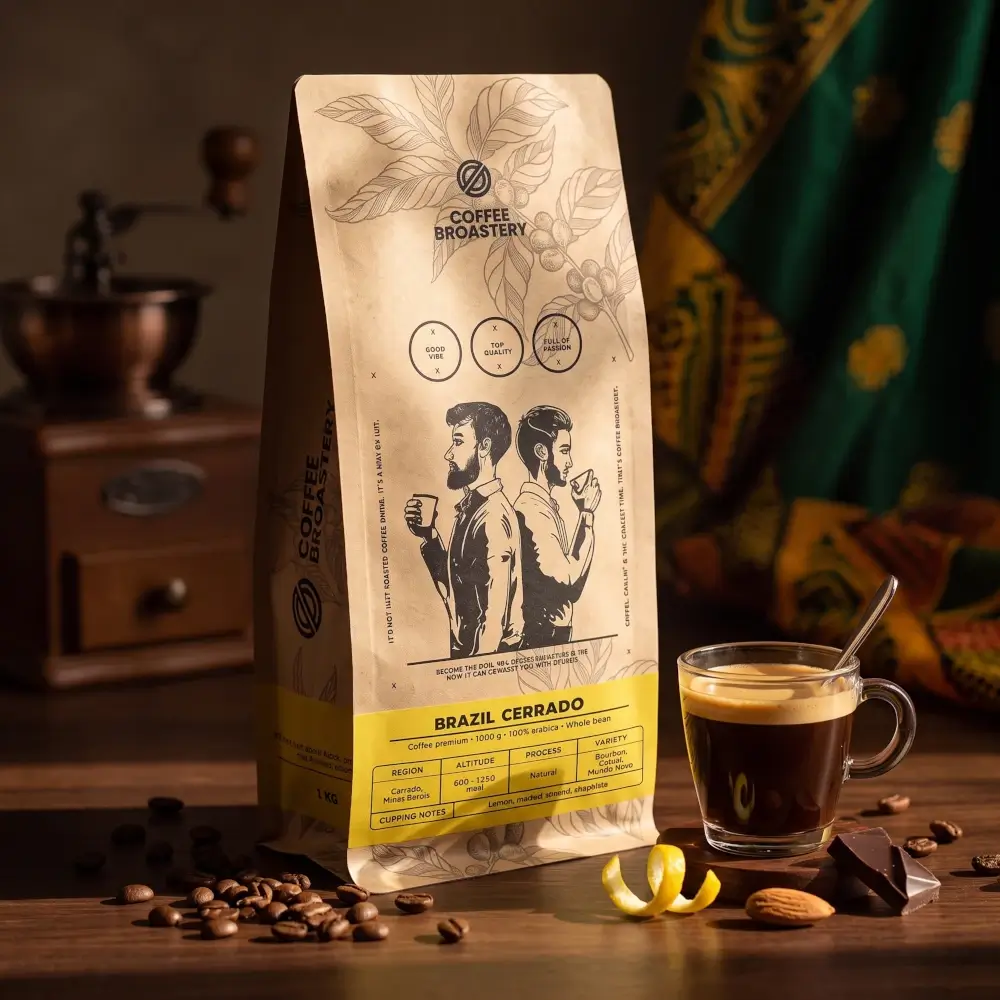
🍫 Coffee Broastery Brazil Cerrado Premium
Looking for a reliable favourite? Coffee Broastery Brazil Cerrado captures everything we value in Brazilian Arabica. Expect a rich, smooth body with prominent notes of roasted almonds and chocolate. An everyday coffee in the very best sense of the word!
Coffees from Central America – Balance and Sweetness
Travelling a little further north, we reach regions that offer an ideal balance between classic flavours and something more distinctive. The types of coffee grown in Central America are true masters of balance. A fine example is coffee from Costa Rica, with its deep, elegant sweetness reminiscent of honey or brown sugar, complemented by subtle, refreshing fruitiness – often bringing ripe plums or cherries to mind. It is a wonderful choice for anyone who has already explored chocolate-led classics and is looking for a little more complexity in the cup without making a dramatic change in style.
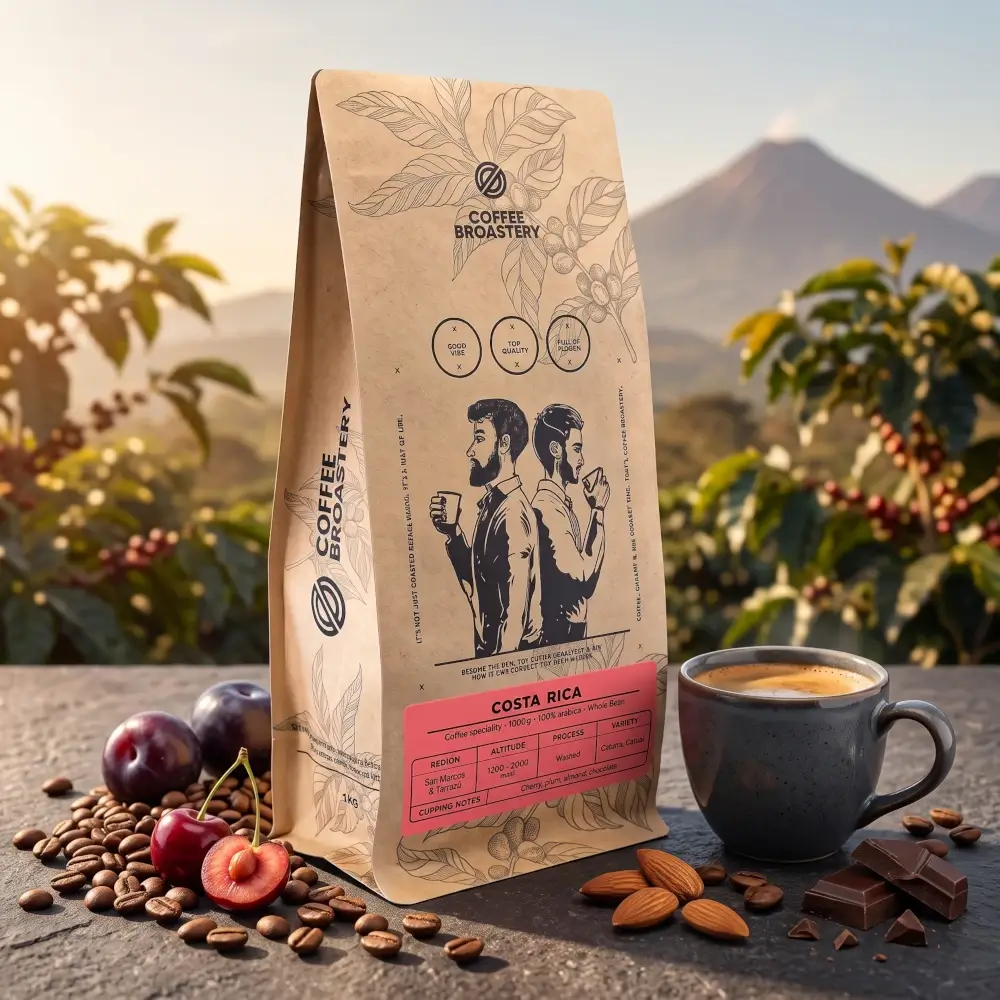
🍒 Coffee Broastery Costa Rica San Rafael
Elegant and well-balanced beans from the renowned Tarrazú region – this is Coffee Broastery Costa Rica San Rafael. Notes of ripe cherry and plum add a lively contrast to the chocolate and almond base. It is an excellent introduction to specialty coffee for anyone looking for greater complexity without losing the beans’ natural sweetness.
African Coffees – Fruitiness and Distinctive Character
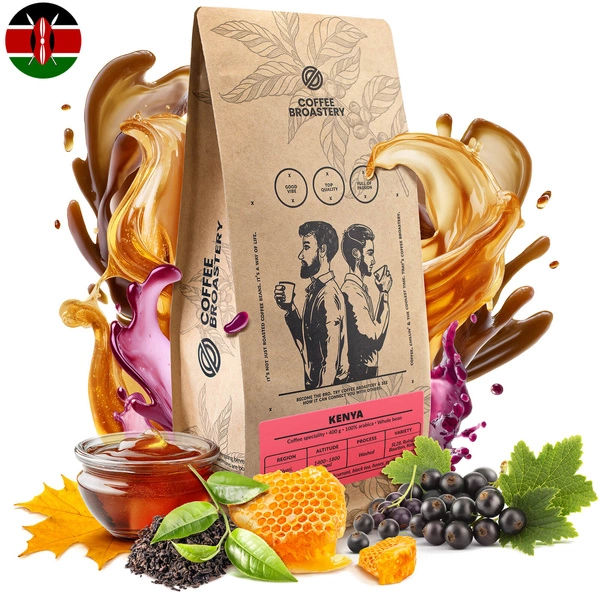
Africa is the historic birthplace of coffee and a region that delivers some of the most surprising sensory experiences. Beans from this continent are regarded as some of the most intriguing in specialty coffee. They often display vibrant acidity alongside highly expressive notes of fresh citrus, forest fruits and delicate flowers. A wonderful example is coffee from Kenya, renowned for its juicy character and deep fruitiness. It is worth remembering, however, that these varieties of coffee beans can be quite distinctive. They may not immediately appeal to those accustomed exclusively to heavy bitterness, but they are sure to delight anyone seeking a clean, refreshing brew.
Asian Coffees – Intensity and Spice
The final stop on our flavour map is Asia. This region produces beans with some of the heaviest bodies and exceptionally rich, full-textured brews. If you are interested in types of coffee beans with a strong, pronounced character, coffee from India is an excellent choice. The Asian profile is highly distinctive, often slightly earthy, with prominent notes of exotic spices, dark cocoa and, in some cases, dry tobacco. These are beans for connoisseurs who enjoy dense, uncompromising espresso that can hold its own even when combined with plenty of milk.
📌 Summary – choose a region to suit your preferences
- ✔️ South America (Brazil): chocolate, nuts and low acidity – ideal for classic espresso and milk-based coffees.
- ✔️ Central America (Costa Rica, Guatemala): sweetness, excellent balance and gentle fruitiness – an approachable, refined introduction to specialty coffee.
- ✔️ Africa (Kenya, Uganda): citrus, floral notes and vibrant acidity – ideal for filter brewing and anyone looking for new flavours.
- ✔️ Asia (India): exotic spices, earthiness and a heavy body – for fans of rich, distinctive and highly intense brews.
Choosing the right region is only half the journey towards finding your ideal flavour. Even the finest beans from Central America or Africa can reveal a completely different side of their character depending on how they are treated by the roaster during the roasting process. Let us now move on to the next fascinating stage: roast level – the factor that ultimately defines the character and hidden potential of your brew.
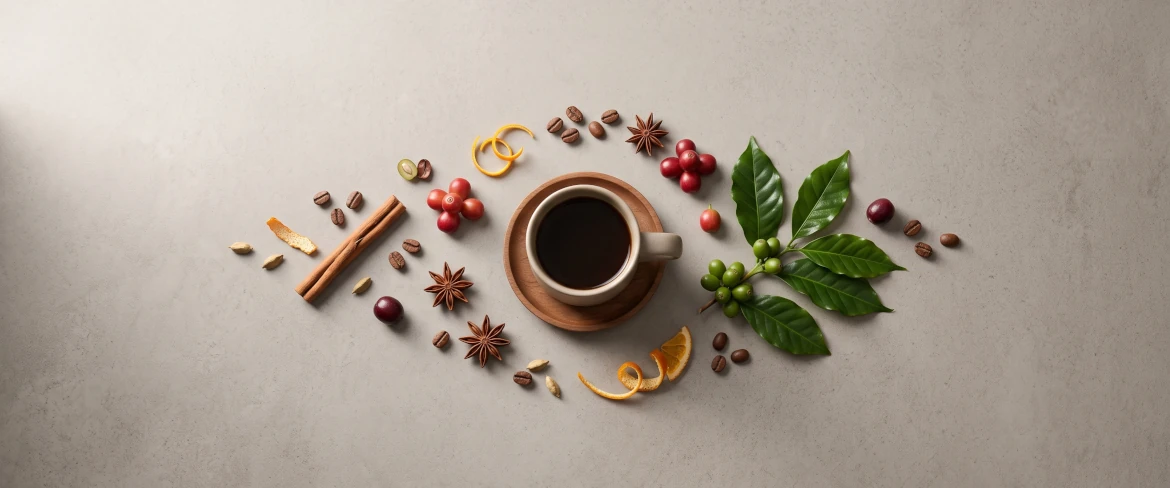
Coffee roast levels – light, medium or dark?
Choosing the right origin for your beans is only half the journey towards the perfect cup. Even the finest types of coffee beans can develop a completely different profile depending on how they are treated by the roaster in the roasting drum. Roast level is just as important in the world of specialty coffee as botanical origin and terroir. It provides the finishing touch, unlocks the beans’ hidden potential and influences their aroma, balance and mouthfeel (or body). If you would like to explore the technical details of this fascinating process, we invite you to read our in-depth article: Light, Medium or Dark? How a Coffee Roast Profile Affects the Flavour and Aroma of Specialty Coffee. Below, we outline the key differences to help you make the right choice when buying your coffee.
Light Roast – For Fans of Acidity and Fruity Notes
When beans leave the roasting drum relatively early, they take on a light brown colour and are described as a light roast (light roast). This highly precise approach preserves more of the natural characteristics associated with the coffee plant and its growing region. Light-roasted coffee beans are distinguished by vibrant acidity, a lighter mouthfeel and remarkable aromatic complexity. You are most likely to notice refreshing notes of citrus, berries, peaches and delicate florals. This is a firm favourite among modern baristas and an excellent choice for filter brewing methods such as a dripper, Chemex or AeroPress, where the aim is to achieve a clean, tea-like cup.
Medium Roast – Versatile, Good Coffee Beans
For many coffee drinkers, a medium roast represents the perfect middle ground. During this process, the beans develop a rich brown colour. At Coffee Broastery, we generally use an optimal medium light profile, rated 3/5 on our five-point scale. This makes it a versatile choice for an everyday brew, offering an excellent balance between natural sweetness, fruity freshness and a pleasant, warming bitterness. Medium roasting beautifully highlights notes of chocolate, caramel and roasted nuts. It is a safe and adaptable starting point for most coffee drinkers: these beans work well in both a home automatic espresso machine and a traditional moka pot, delivering a full and harmonious cup.
Dark Roast – Intensity for Espresso
At the other end of the spectrum is the dark roast (dark roast). Prolonged exposure to high temperatures gradually causes the bean’s natural botanical characteristics to give way to notes created by the roasting process itself. Dark-roasted varieties of coffee beans typically have low acidity, pronounced bitterness and a heavy, full-bodied mouthfeel. You may also notice a glossy sheen on the surface of the beans, caused by oils migrating outwards during roasting. This profile is particularly suited to those who enjoy intense, traditional espresso with a bold, uncompromising character. Its intensity also allows the coffee to stand up well to plenty of steamed milk without losing its presence.
| Roast profile | Flavour and aroma | Best suited to |
|---|---|---|
| Light | High acidity, fruity and floral notes, light body. | Filter brewing methods (dripper, Chemex, AeroPress). |
| Medium | Balanced sweetness, chocolate and nutty notes, medium body. | Versatile: automatic espresso machines, moka pots and gentle espresso. |
| Dark | Pronounced bitterness, cocoa and smoky notes, very low acidity, heavy body. | Classic, intense espresso and full-flavoured milk-based coffees. |
You now know how origin, variety and roast profile shape the flavour of your coffee. However, to achieve a truly exceptional brew, you still need to combine this knowledge with the equipment available in your kitchen. Let us move on to the next crucial stage: choosing beans to suit your favourite brewing method.
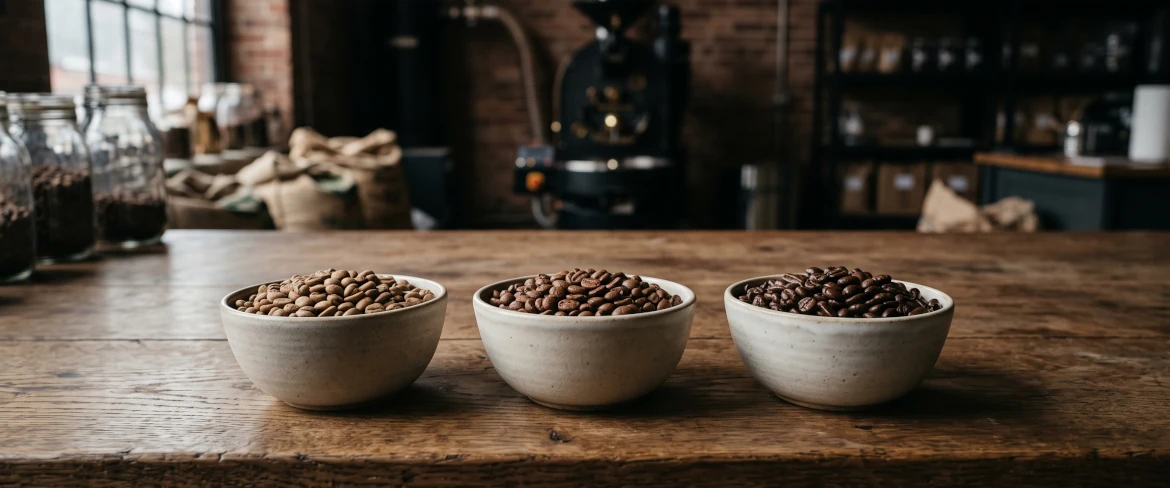
How to choose coffee beans for your brewing method?
Understanding the characteristics of coffee beans is fascinating in theory, but it is your daily brewing routine and chosen method that ultimately put everything to the test in the cup. Each brewing device extracts flavour compounds in a slightly different way, so for the best coffee beans to reveal their full potential, they need to be matched carefully to your equipment. Below, we have put together practical guidance to help you make the right choice and achieve excellent results at home.
Coffee Beans for an Espresso Machine
An espresso machine works quickly and with little margin for error – exposing the coffee to pressure and heat can intensify every characteristic of the brew. This is why coffee beans chosen for this type of equipment often work best when they offer low acidity and good balance. Otherwise, the resulting espresso may taste excessively sharp or astringent. Classic chocolate and nut-led profiles, roasted to a medium (medium) or dark (dark roast) level, are particularly well suited. Coffees from South America, especially Brazil, and carefully composed blends are an excellent choice. They can produce a rich, stable crema and pair beautifully with plenty of steamed milk in your favourite cappuccino.
Coffee Beans for Filter Brewing
If a dripper, Chemex or AeroPress takes centre stage in your kitchen, you are entering a world of subtle and complex flavours. Coffee beans for alternative brewing methods are often roasted to a light (light roast or medium light) profile. A longer contact time between the water and coffee grounds, together with the use of paper filters, helps create a clean and transparent brew while allowing its more delicate aromas to shine. In these methods, the quality of the raw coffee is particularly important, so look for freshly roasted specialty coffee with a flavour profile that matches your preferences. These beans can offer lively fruitiness, floral notes and a refined, tea-like lightness that is difficult to achieve in a classic espresso.
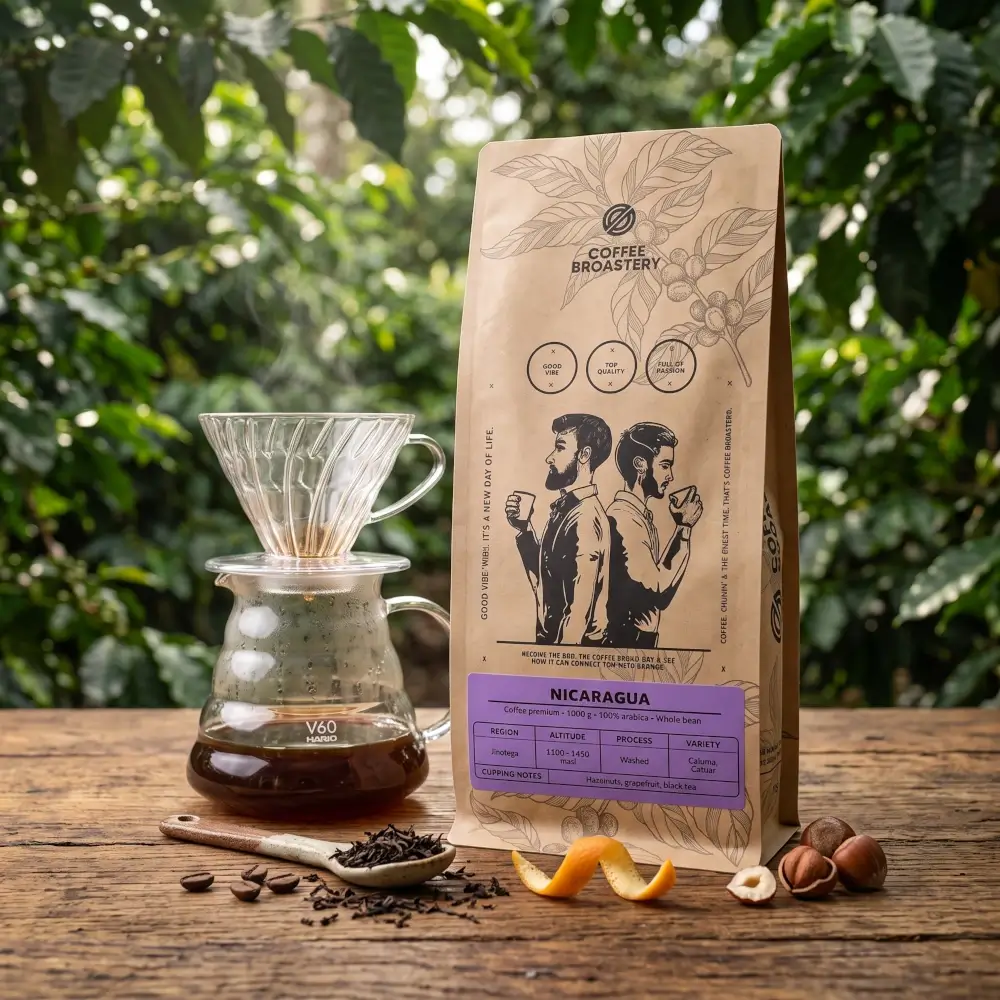
🍊 Coffee Broastery Nicaragua Colibrí Azul
Looking for beans that truly come alive in a pour-over? Try Coffee Broastery Nicaragua Colibrí Azul. This Arabica from the heart of Nicaragua will take you into a world of remarkable tea-like lightness. Refreshing grapefruit notes, gentle acidity and a pleasant black tea finish make it a captivating choice for filter brewing.
Coffee Beans for a Moka Pot
The moka pot, the iconic Italian brewer, is both stylish and widely enjoyed, but it benefits from the right approach. It produces a strong brew with an intensity close to espresso, but without its characteristic thick crema. Good coffee beans for a moka pot should offer a satisfying compromise between intensity and sweetness. Medium or medium-dark roasted beans are often a good choice, retaining their natural balance without becoming excessively harsh when exposed to hot water. If you would like to master this classic brewing method and avoid common mistakes, take a look at our dedicated guide: How to Make Coffee in a Moka Pot? A Practical Guide to Perfect Moka Pot Coffee!
⚙️ The Golden Brewing Rule
Regardless of the method or quality of your equipment, the precision of your grind is just as important as the beans themselves. An espresso machine requires a fine grind, a moka pot a slightly coarser one, while filter methods generally call for a grind resembling coarse sand. Remember that even the best coffee beans can lose their character if they are ground incorrectly or too long before brewing.
How to recognise good coffee beans?
Standing in front of a shelf full of colourful coffee packs or browsing online shop listings, it is easy to feel overwhelmed. Attractive labels and catchy marketing claims can often disguise an average raw ingredient. To make sure you are choosing genuinely good coffee beans, it is worth getting into the habit of reading the information on the packaging. Below, we outline the key criteria that will help you distinguish high-quality beans from mass-produced commercial coffee and shop with greater confidence.
Roast Date and Coffee Freshness
Coffee is a delicate product that gradually loses its most valuable sensory qualities over time. For this reason, one of the most important details on the label is the exact roast date. Aromatic compounds begin to dissipate soon after the beans leave the roasting drum. So, what is the ideal time to brew them?
- ✔️ the first few days after roasting – the beans are releasing carbon dioxide intensively and may not yet be ready for a full sensory evaluation;
- ✔️ around 7–14 days after roasting – for many coffees, this marks the beginning of a very good brewing window, particularly for filter methods;
- ✔️ the following weeks – coffee can continue to retain excellent qualities when stored in an airtight, opaque container away from moisture, light and high temperatures.
💡 Worth knowing: Large commercial coffee producers very rarely include a roast date on their packaging. Instead, you will usually find only a best-before date, often set as far as two years ahead. This can make it difficult for consumers to determine how old the product really is. At Coffee Broastery, we believe in complete transparency – every pack includes the exact roast date, so you can assess its freshness and plan the best time to brew it.
Coffee Bean Quality
The global coffee market includes both mass-produced commercial coffee and the specialty coffee segment. Commercial coffee is often produced with an emphasis on scale, consistency and price, while information about its origin and processing may be limited. The specialty segment places greater importance on careful selection, traceability, sensory evaluation and the distinctive character of each lot. This gives craft roasteries the opportunity to choose a roast profile that suits the beans, bringing out their natural sweetness, fruitiness and aromatic complexity rather than treating every coffee in exactly the same way.
What to Look for When Buying Coffee Beans?
An informed choice starts with a roastery that shares clear, reliable information about its products. When buying the best coffee beans for your preferences, look for transparency. A well-described coffee should tell you more than simply its brand name. Alongside the roast date, look for specific information about the coffee’s origin. Avoid packs that mention only a continent. Reputable roasteries provide the country and region of origin and may also include the name of the processing station or farmer. The sensory notes listed by the roaster are equally useful: they act as a guide, helping you understand what to expect once the coffee is brewed.
✅ A Coffee Lover’s Checklist
Before adding a product to your basket, check that the packaging includes:
- ✔️ an exact roast date – not just a general best-before date;
- ✔️ information about the composition – 100% Arabica is a popular choice, but quality Robusta can also be an intentional and enjoyable option;
- ✔️ a precise origin – the country, region or farm, rather than a vague description such as “coffee from South America”;
- ✔️ a roast level – light, medium or dark, chosen to suit your brewing method;
- ✔️ a sensory profile – specific flavour notes such as caramel, hazelnut or citrus.
You now know the theory: what to look for, how to read a label and why the beans’ origin and processing method have such a significant influence on the final flavour. It is time to put that knowledge into practice! To make this first step into the world of specialty coffee as easy as possible, we have prepared a handy guide. Let us move on to the details and explore the coffees freshly roasted in our craft roastery.
The best coffee beans – recommendations from Coffee Broastery
It is time to put everything we have learnt into practice. Every day, at our craft roastery, we carefully roast beans sourced from some of the most fascinating coffee-growing regions in the world. To make your final choice easier and help you find a profile suited to your preferences, we have divided our products into four practical categories. Discover which best coffee beans are waiting for you at Coffee Broastery!
The Best Coffees for Espresso
If you are looking for a rich, expressive espresso with a beautiful nutty crema that also works wonderfully with steamed milk, choose beans roasted specifically for pressure-based brewing methods.
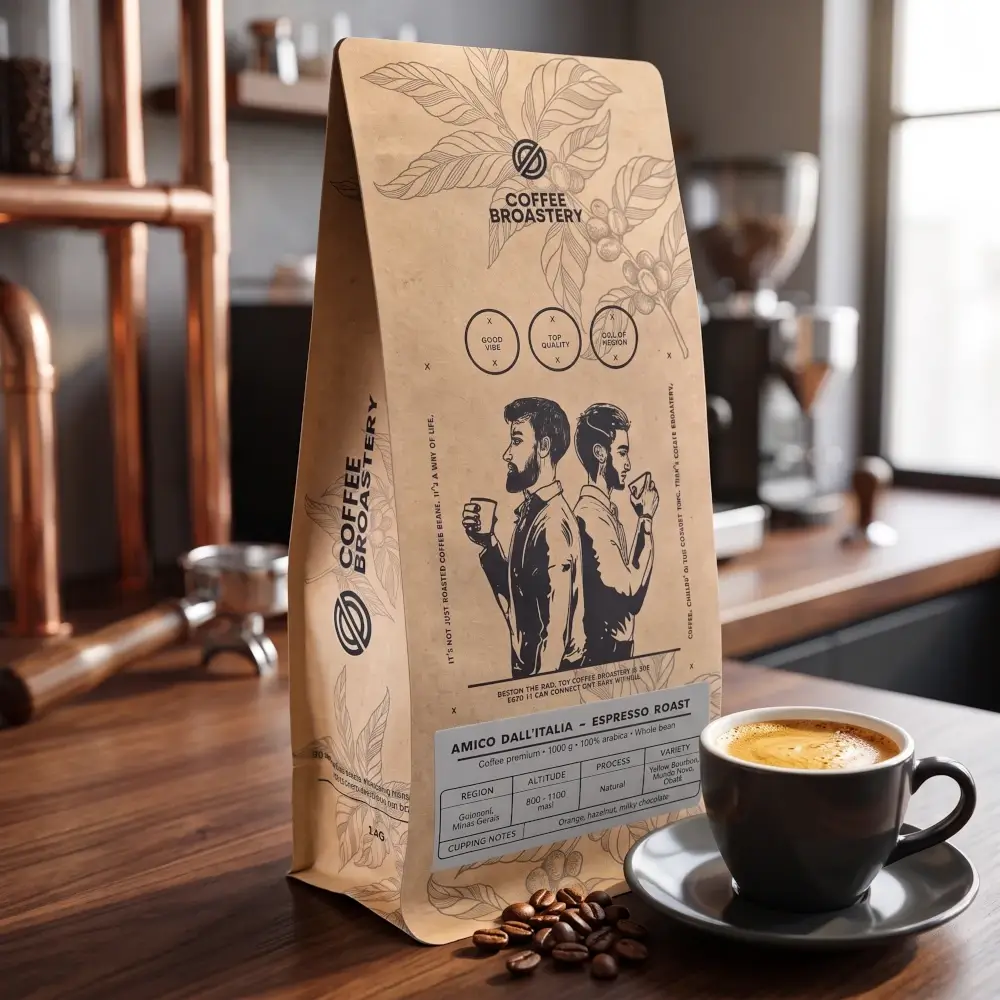
☕ Coffee Broastery Amico dall’Italia Espresso Roast
Coffee Broastery Amico dall’Italia Espresso Roast is a 100% Arabica from Brazil, roasted slightly darker – to a medium level (4/5) – to create a full, weighty body and minimise acidity. Expect enticing notes of milk chocolate and hazelnuts, complemented by a subtle touch of orange. Classic Italian style, interpreted through the lens of specialty coffee!
The Best Coffees for Everyday Drinking
A morning ritual calls for coffee that is reliable, balanced and simply delicious – the kind that never becomes boring. Good coffee beans for everyday brewing should be mellow, versatile and consistent in flavour.
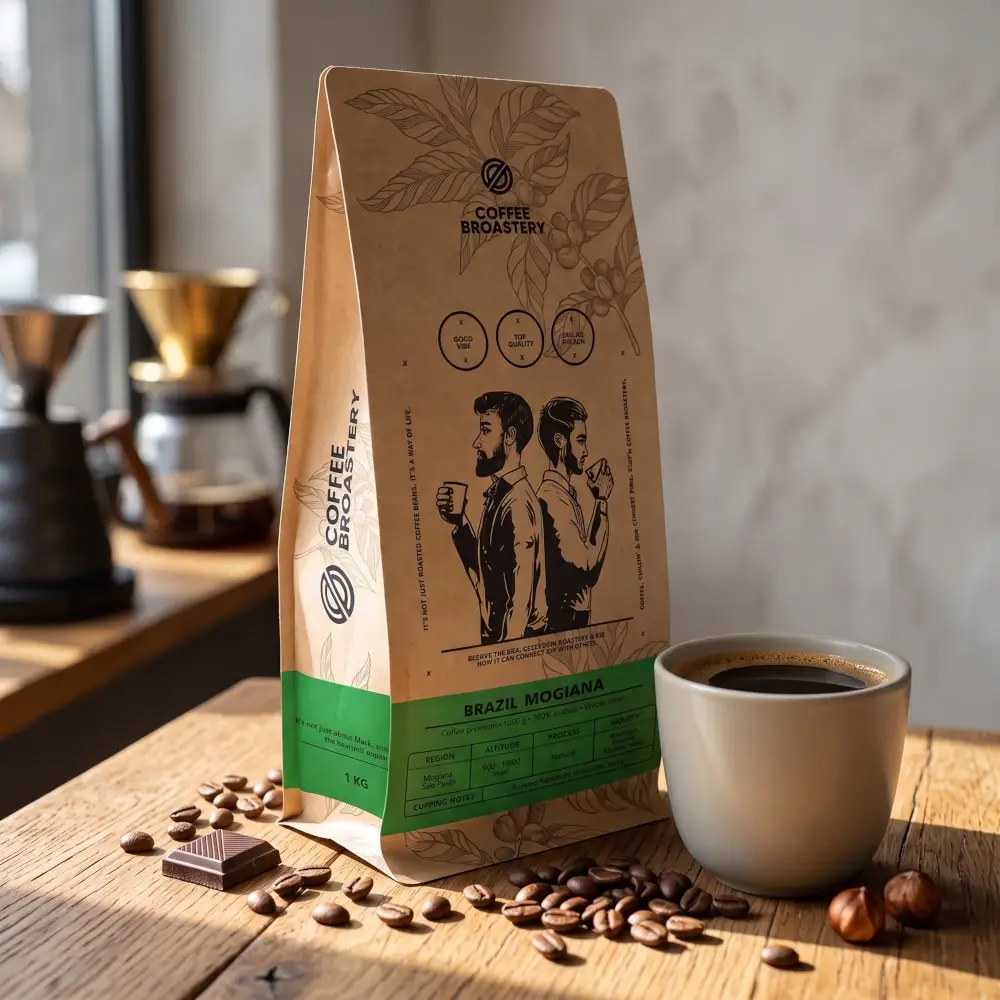
🌞 Coffee Broastery Brazil Mogiana Premium
Coffee Broastery Brazil Mogiana Premium is our absolute bestseller! It delivers an exceptionally harmonious, gentle brew with rich chocolate and milk notes. An incredibly approachable starting point for anyone who simply wants a delicious, beautifully balanced coffee with mild, well-integrated acidity.
Specialty Coffees for Curious Palates
Once you have mastered the classics and want to discover something more in your cup, it is time to explore richer and more complex profiles. This is where elegance and delicate fruity nuances come to the fore.
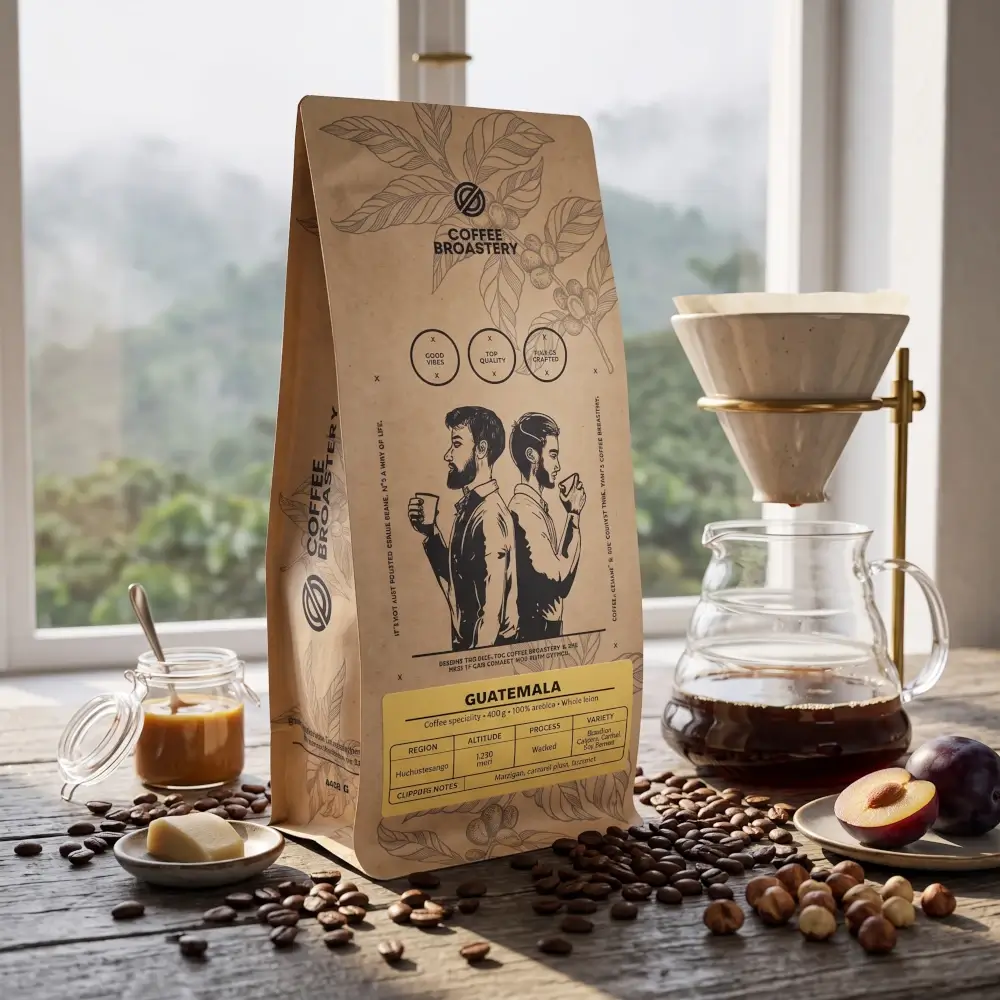
🏔️ Coffee Broastery Guatemala Peña Roja
A true master of balance from an altitude of over 1,350 metres above sea level – Coffee Broastery Guatemala Peña Roja offers intriguing sweetness reminiscent of marzipan and caramel, followed by a smooth, elegant finish. It develops beautifully when brewed as filter coffee, but can also deliver a delightful surprise as a modern espresso.
Coffees with an Intense and Unusual Profile
For connoisseurs looking for new and unconventional sensory experiences, we have selected beans with a distinctive character that often challenges expectations.
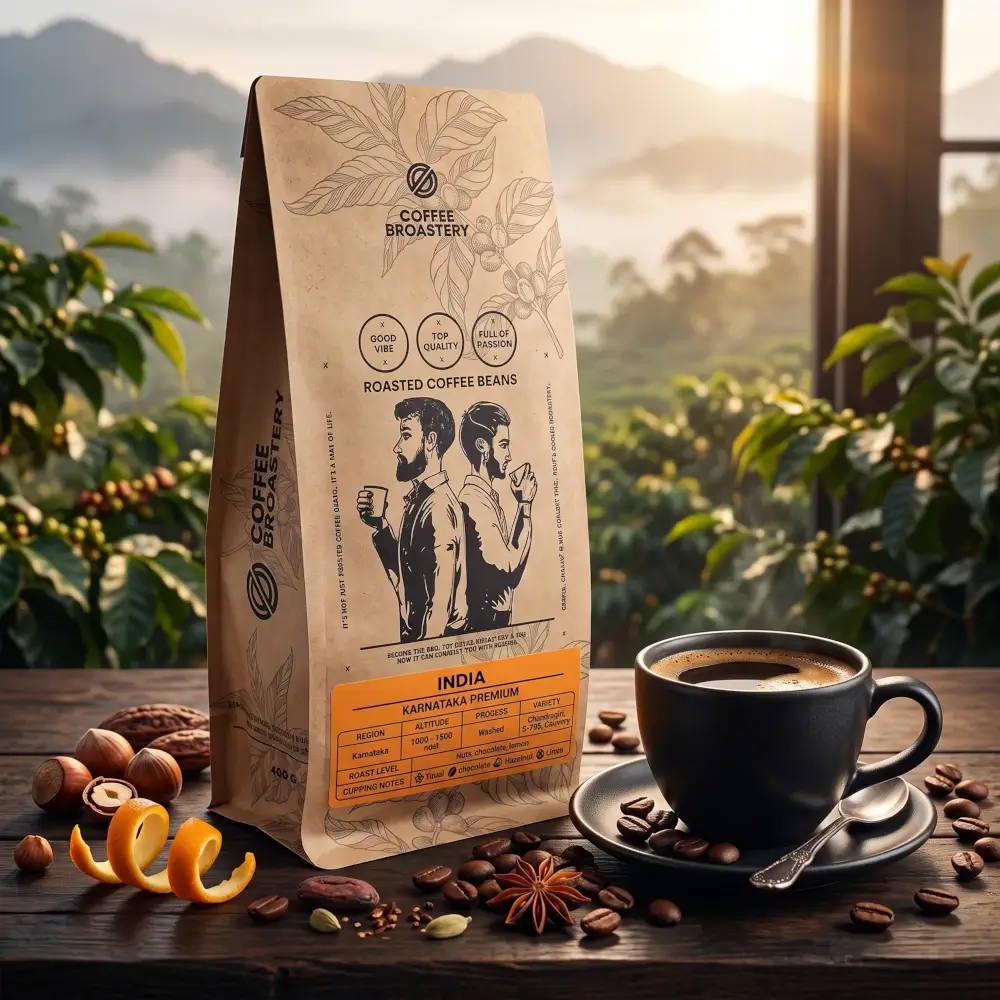
🐅 Coffee Broastery India Karnataka Premium
Intrigued by a full-bodied brew with an unexpected finish? Try beans from India – Coffee Broastery India Karnataka Premium offers a dense, chocolate-and-nut-led body intertwined with bright lemon acidity. An uncompromising, exotic choice that is sure to leave an impression!
Remember that the world of craft coffee has no rigid rules. While we are happy to suggest which beans are likely to work best with particular equipment, the final verdict always belongs to your palate. Experiment, explore new destinations on the coffee flavour map and enjoy the process. The best coffee is simply the coffee you enjoy most!
Ready to give your mornings a new quality? Choose your favourite beans and let us take care of the perfect craft roast!
FAQ – frequently asked questions about types of coffee beans
1. Which coffee beans are the best?
There is no single objectively “best” coffee, as everything depends on your personal preferences. Fans of classic flavours may enjoy balanced, sweet beans from Brazil with a chocolate-and-nut profile. Those looking for vibrant fruitiness may prefer beans from Africa. Most importantly, choose freshly roasted specialty coffee – ideally 100% Arabica – and look for a product whose origin, roast date and sensory profile are clearly described.
2. How do you choose good coffee beans?
Good coffee beans should come with clear and reliable information. When shopping, check whether the packaging includes an exact roast date rather than only a best-before date, as well as details of the country and region of origin, growing altitude and sensory profile. Reputable craft roasteries are happy to share this information with customers.
3. What types of coffee beans are there?
There are several ways to classify types of coffee beans. First, we can distinguish between the main botanical species: Arabica and Robusta. In terms of composition, coffees are divided into single-origin coffees, which come from one region or farm, and blends, which combine beans from different origins. Roast level also matters: beans may be light, medium or dark roasted, with each profile offering different characteristics and brewing possibilities.
4. What is the difference between Arabica and Robusta coffee?
Arabica often offers a more complex flavour profile, natural sweetness and a wider range of aromas, from fruity and floral to chocolatey. Robusta is more resilient to growing conditions and typically produces a brew with heavier body, lower acidity, more pronounced bitterness and higher caffeine content. The final quality also depends on the variety, origin, processing, selection and roast profile.
5. Which coffee beans are best for an espresso machine?
Beans roasted to a medium, medium-light or medium-dark level are often chosen for espresso machines. Classic coffees from South America, particularly Brazil and Colombia, work well in espresso when you enjoy chocolate and nutty notes with lower acidity. Roast level should be matched to your preferences and to the grinder, dose and extraction time. Medium-light beans can also produce excellent espresso when the recipe is adjusted accordingly.
6. How does coffee origin affect its flavour?
Origin, or terroir – including climate, soil and altitude – has a fundamental influence on the development of the beans. Coffees from South America are often mellow, chocolatey and low in acidity. Beans from Central America tend to offer balance and natural sweetness. Africa is known for vibrant acidity and citrus or floral notes, while Asia produces coffees with heavier body and earthy, spicy accents.
7. What is specialty coffee and why choose it?
Specialty coffee consists of beans assessed according to rigorous quality criteria, including the cleanliness of the raw coffee, sensory profile, origin and processing method. In practice, this usually means greater transparency and the opportunity to learn more about the story and character of a particular coffee. It is worth remembering, however, that quality depends on the entire chain, from cultivation and selection to roasting, storage and brewing.
Recommended

Coffee Broastery - whole bean coffee Brazil Mogiana Premium 1kg

Coffee Broastery - Whole Bean Coffee Brazil Guaxupe Premium 1kg

Coffee Broastery - Whole Bean Coffee Colombia Medellin Premium 1kg